2025: The Year Creativity Stopped Chasing and Started Choosing
For years, creative industries operated in reaction mode—chasing platforms, algorithms, trends, tools.
2025 changed that.
This was the year creativity slowed down just enough to ask better questions:
What is AI for?
What does human expression mean in a generative world?
When does design add value—and when does it simply add noise?
The result wasn’t less creativity. It was more intentional creativity.
Artificial Intelligence Grew Up
In 2025, AI stopped being a spectacle and became infrastructure.
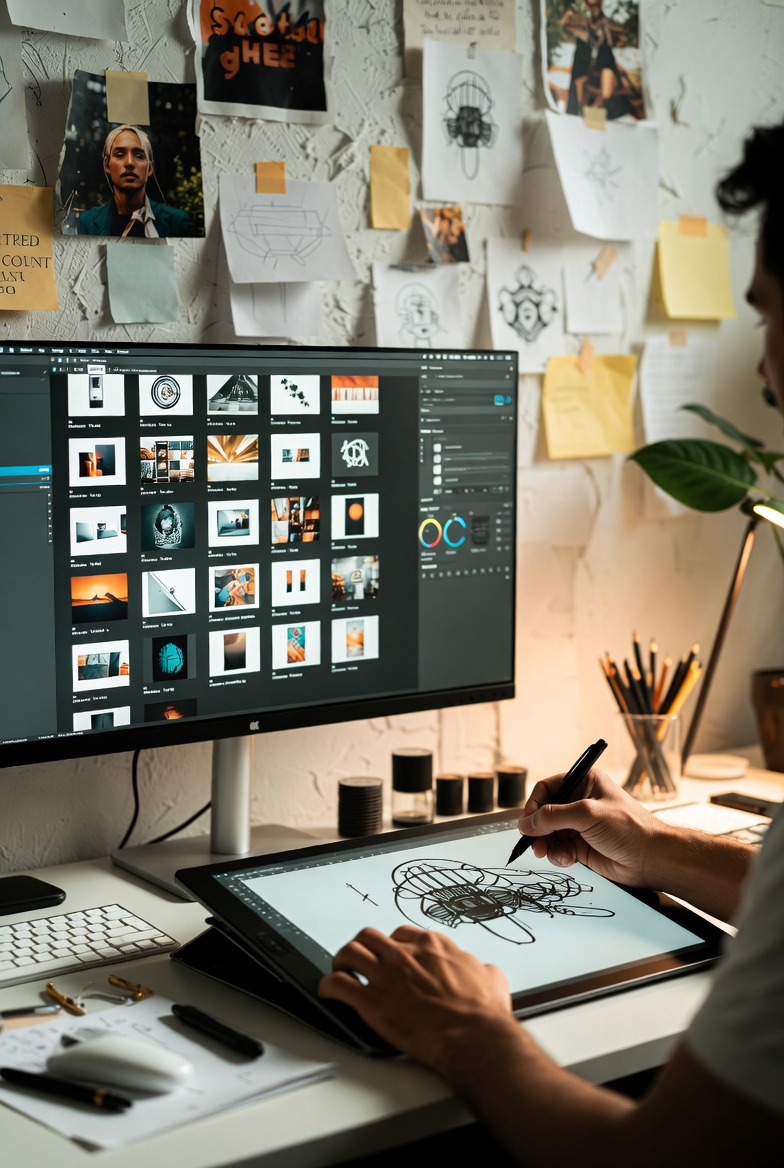
Generative tools moved from novelty to workflow. Designers, writers, filmmakers and strategists no longer asked if they should use AI, but how to use it responsibly, expressively and ethically.
Key shifts defined the year:
AI as collaborator, not replacement
Invisible intelligence instead of flashy automation
Human judgment as the final creative filter
The conversation moved from “what can AI do?” to “what should we do with it?”
Design Reclaimed Its Human Core
Hyper-polished, sterile visuals lost their dominance.
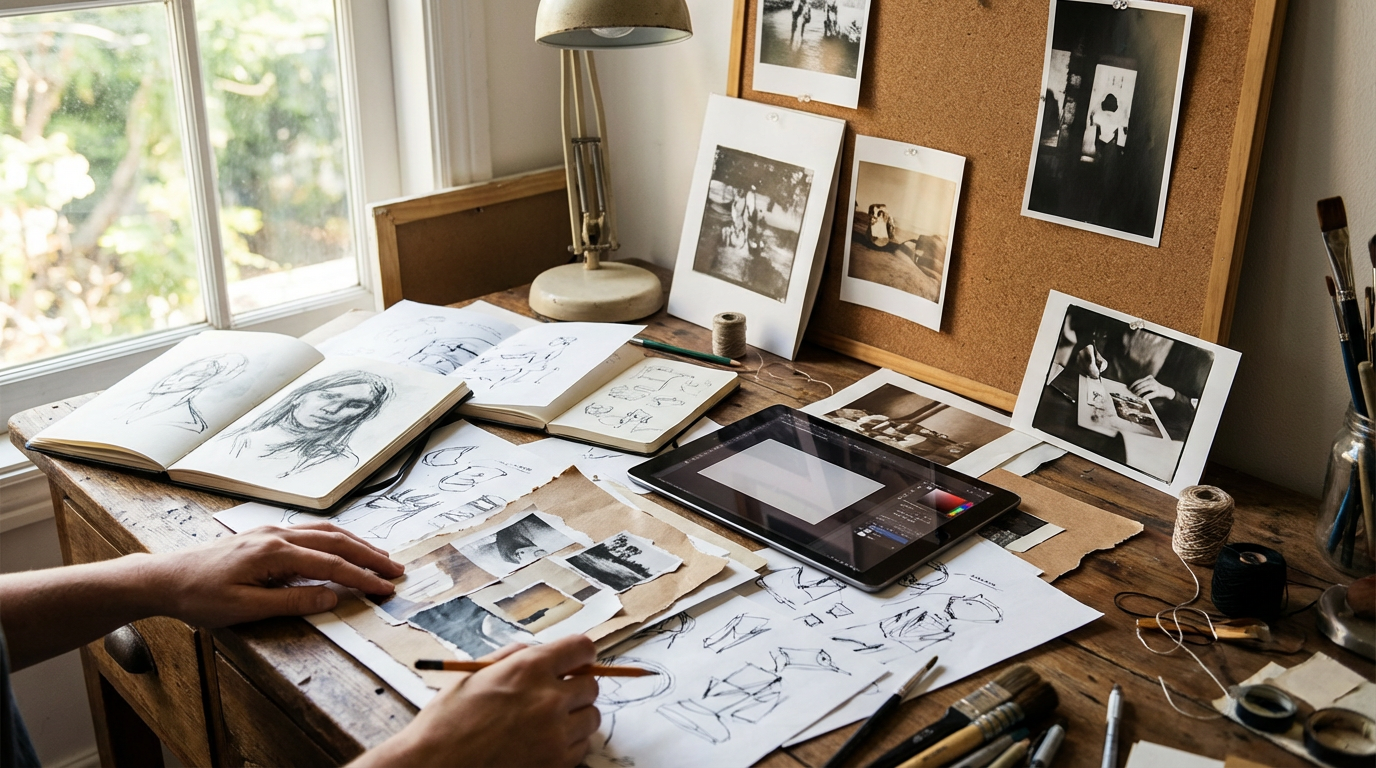
Texture, imperfection, warmth and tactility returned—not as nostalgia, but as resistance.
Across branding, web design, illustration and motion, creators leaned into:
mixed media
hybrid 2D/3D workflows
expressive typography
emotional color palettes
design that feels touched, not rendered
Design in 2025 wasn’t about looking futuristic.
It was about feeling alive.
From Interfaces to Experiences
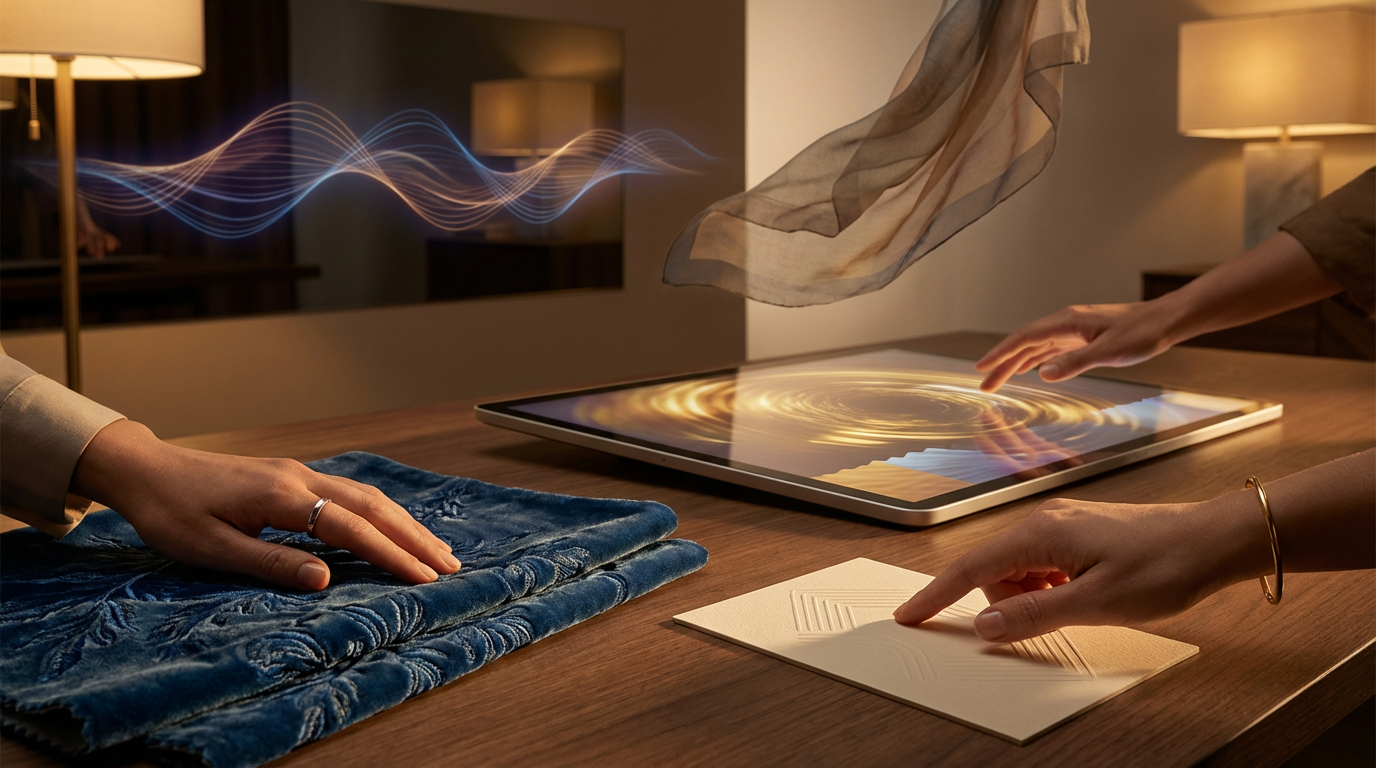
Another major shift: the slow disappearance of the interface.
Buttons, menus and screens didn’t vanish—but they softened.
Designers began building:
ambient interactions
adaptive motion systems
voice and contextual UX
post-interface experiences
The goal was no longer control, but care.
Reduce friction. Reduce noise. Respect attention.
Creativity Became Ethical by Default
Sustainability, accessibility and inclusion stopped being optional.
2025 marked the year when:
ethical AI mattered to brands
inclusive design became baseline
sustainability extended beyond visuals into materials, systems and narratives
Audiences became sharper.
Empty aesthetics were called out.
Purpose without coherence was exposed.
What 2025 Taught Us
As the year closes, a few truths stand out:
Tools don’t define creativity—intent does
Speed is meaningless without direction
Human presence is the new premium
The best technology disappears into experience
Design is no longer visual—it’s behavioral
Looking Toward 2026
If 2025 was the reset, 2026 will be the execution.
We move into a year of:
ambient AI
post-interface design
phygital creativity
emotional systems
brands that behave, not perform
The creatives who will lead are not the loudest—but the clearest.
Conclusion: A Closing Statement
2025 didn’t give us answers.
It gave us alignment.
Creativity remembered why it exists:
to connect, to express, to humanize complexity.
As we close the year, the invitation is simple:
Create less noise. Design more meaning.
The Creative Reset: How 2025 Rewired Design, AI and Human Expression