Humanized UX: When Digital Finally Learns to Feel
The design world has spent decades trying to make technology smarter. In 2026, the point is no longer intelligence. It’s humanity.
Humanized UX is emerging as one of the most influential design movements of the decade: an approach that blends emotional understanding, sensory cues, AI adaptation, and ethical interaction design. It recognizes that users don’t simply complete tasks; they bring anxieties, hopes, biases, habits, and emotional states into every digital encounter.
And for the first time, technology is beginning to respond.
Why 2026 Marks a Turning Point
Three forces shape this global shift:
1. Ambient AI becoming emotional-aware
Interfaces now detect patterns in behavior, tone, rhythm, and interaction friction. AI adapts subtle interface changes to reduce stress, increase clarity, or guide attention.
2. Neuroaesthetics entering mainstream design
Insights from cognitive science are driving layout, color, and motion choices to support mental ease and emotional grounding.
3. Ethical digital well-being becoming expected
Users aren’t impressed by “fast.” They want comfort, clarity, and safety.
Humanized UX becomes a competitive differentiator.
Core Pillars of Humanized UX in 2026
Emotional Minimalism
Designs rely on fewer elements, but each element carries emotional purpose. Warm color gradients, soft shadows, calm micro-animations, and conversational microcopy define the aesthetic.
Somatic Interactions
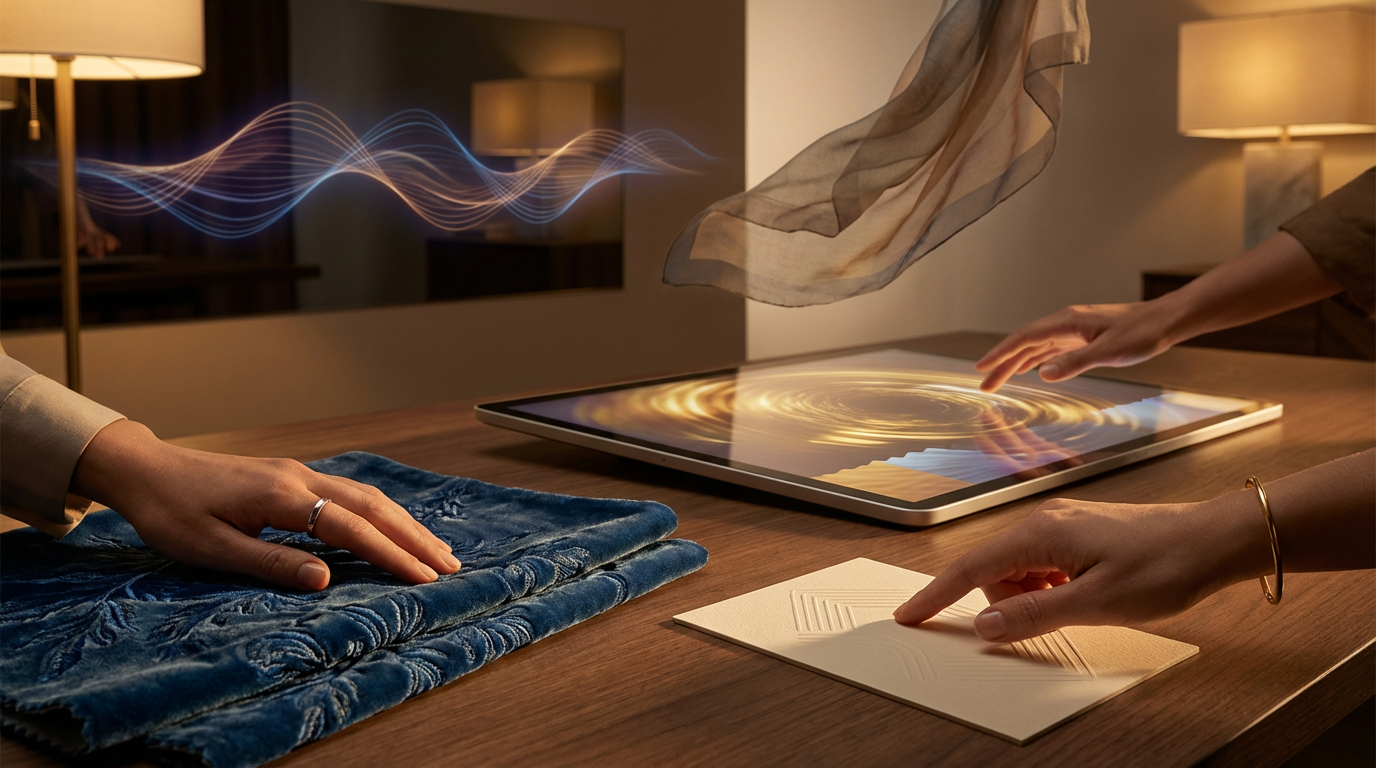
Motion and haptics mimic natural gestures: breathing-like pulsations, gravity-based easing, organic transitions.
Cultural & Identity Responsiveness
Interfaces subtly adjust to cultural norms, accessibility profiles, and individual preferences without stereotyping or over-personalizing.
Adaptive Micro-Animation
Micro-animations respond dynamically to user behavior, acknowledging effort and guiding attention with personality rather than noise.
Digital Trust by Transparency
Humanized UX in 2026 includes clear disclosure of how AI interprets behavior and makes choices.
What This Means for Creative Fields
Marketing & Branding
Brands increasingly differentiate by how they make users feel, not just what they offer. Emotional motion design becomes core to identity.
Photography & Video
Authenticity dominates. Real emotion, real imperfection, real diversity. Editorial softness and cinematic minimalism trend heavily.
Web Design & UX/UI
Micro-affordances, adaptive layouts, sensory-calm palettes, and emotionally intelligent navigation patterns define the new norm.
Illustration
Organic forms, hand-drawn textures, and narrative symbolism rise as a counterbalance to hyper-digital aesthetics.
Social Media
Humanized UX leads platforms to integrate more mental-wellness-oriented features: mindful pacing, empathetic recommendation systems, and sensory-calming interfaces.
Visual Direction for This Trend
For brands adopting Humanized UX:
Soft tonal ranges: warm neutrals, desaturated blues, earth-driven shades
Motion inspired by breathing, nature, and gravity
Close-up photography of authentic, diverse human expressions
Interfaces with spacious grids and natural whitespace
AI-generated illustrations with organic softness and symbolic metaphors
Conclusion
Humanized UX isn’t a feature. It’s the new design ethic shaping how brands communicate, how interfaces support emotional well-being, and how humans coexist with the increasingly intelligent digital world.
In 2026, technology doesn’t just solve problems. It listens.
Humanized UX: The Rise of Emotion-Driven Digital Experiences in 2026