The Shift from Identity to Behavior
In 2026, branding is no longer a question of “how a brand looks.” It’s about how a brand behaves.
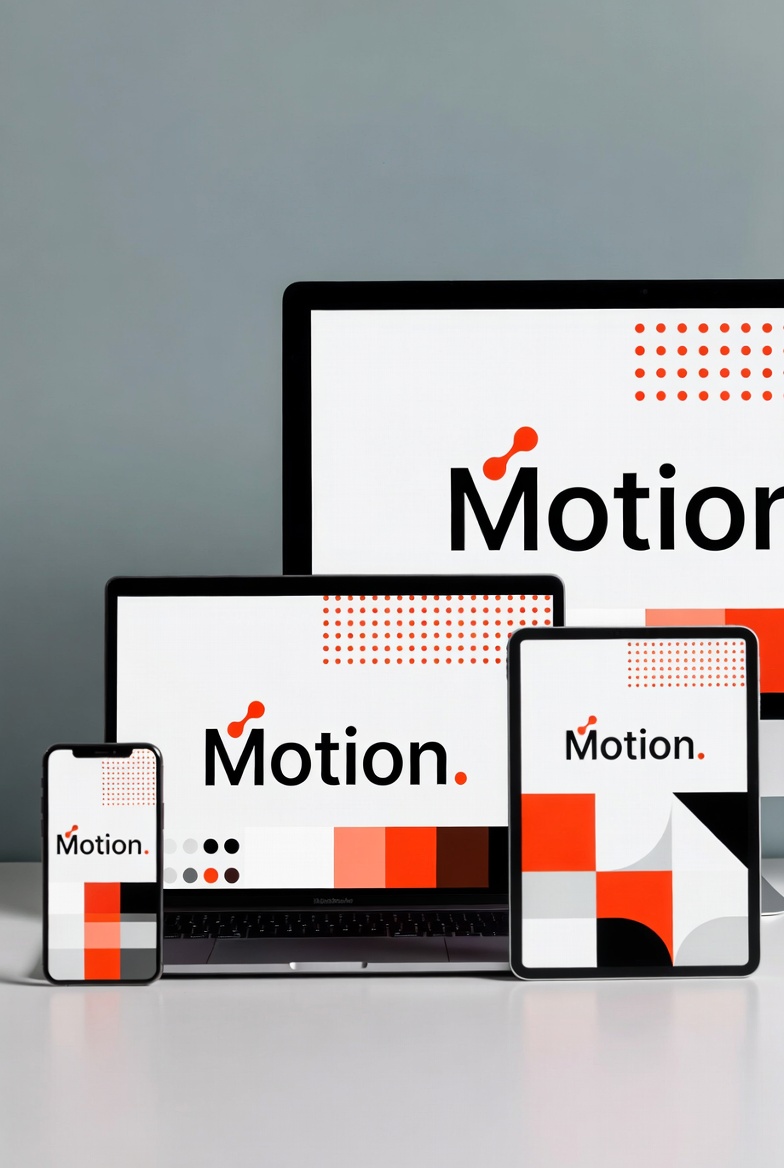
Adaptive Motion Branding integrates dynamic visual systems that respond to context, platform, audience, or interaction. These identities are alive: they breathe, react, stretch, compress, evolve, and communicate emotion through motion.
This shift is driven by three massive forces:
1. AI-powered motion systems
Brands now use AI-assisted tools to generate motion patterns aligned with brand personality, audience mood data, or environmental cues.
2. Multiplatform ecosystems
A static logo is no longer enough across apps, wearables, AR layers, retail screens, and social platforms. Motion creates coherence across chaos.
3. Neurodesign insights
Micro-movements improve attention, emotional connection, and brand recall. Motion has become a cognitive tool, not just an aesthetic one.
How Adaptive Motion Branding Changes Creative Fields
Marketing & Advertising
Brands are now storytelling with rhythm and transformation. Motion becomes the hook that stops the scroll, shapes perception, and builds emotional memory.
Web Design & UX/UI
Interfaces adopt motion systems tied to brand personality:
responsive transitions
personality-driven micro-interactions
motion used as communication, not decoration
Animation & Illustration
Illustrators and animators in 2026 design with “behavior rules,” creating characters or visual elements whose motion adapts to context.
Photography & Video
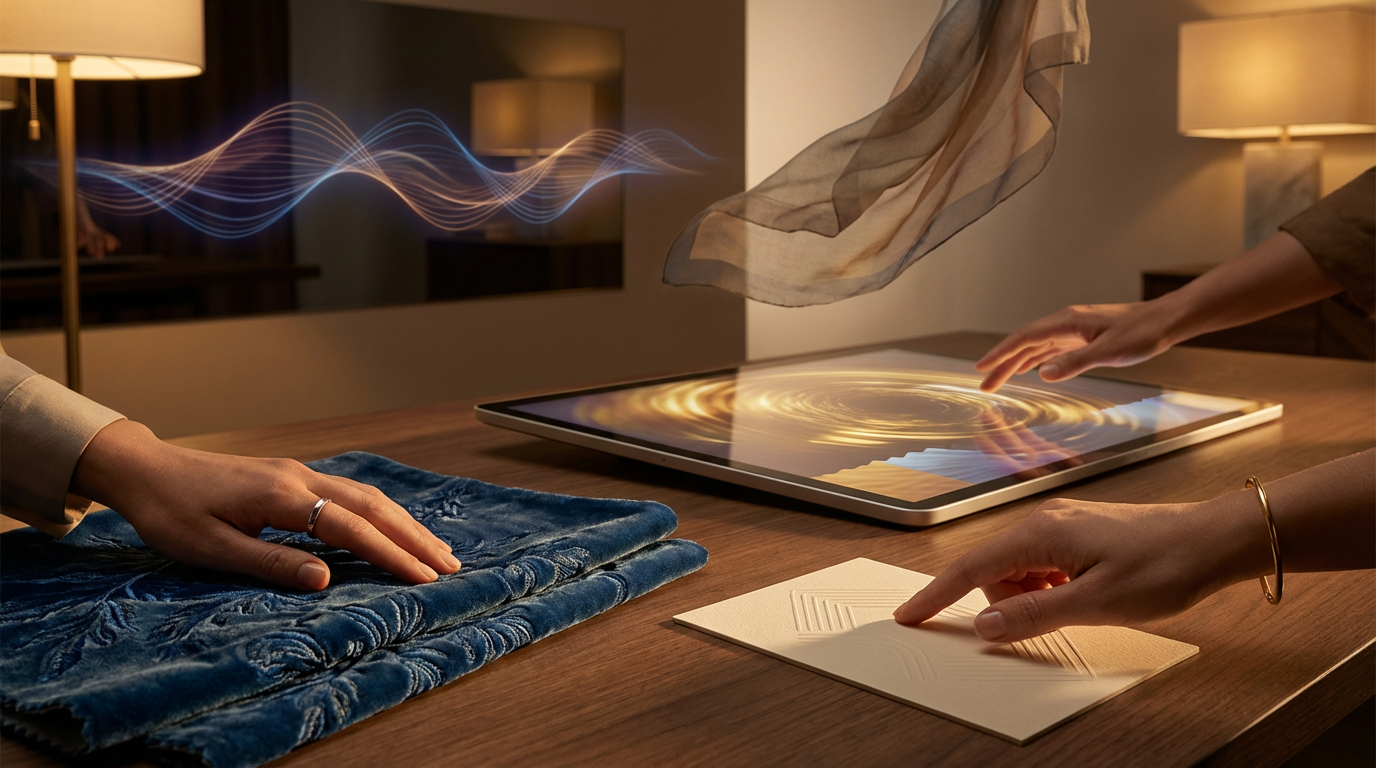
Still images now coexist with motion snippets designed for looping storytelling: subtle oscillations, shape-shifting layouts, ambient kinetic textures.
Brand Strategy
Motion is becoming part of the brand DNA. Guidelines no longer specify only logo sizes and colors, but velocity curves, easing styles, emotional pacing, and movement rules.
The Emotional Side of Motion
Adaptive motion uses psychological cues:
slow transitions to evoke calm
elastic micro-movement to suggest playfulness
kinetic symmetry to build trust
responsive motion that acknowledges the user’s presence
The result: interfaces and visuals that feel alive, attentive, and emotionally intelligent.
Visual Direction Recommendations
To adopt this trend in 2026:
Organic easing curves instead of mechanical timing
Fluid gradients with motion-based transitions
Modular logos that shift proportion or shape
Micro-interactions with personality embedded
Motion patterns inspired by nature (waves, pulses, growth, friction)
Conclusion
Adaptive Motion Branding signals a new era where brands act more like organisms than symbols. As platforms multiply and audiences crave authenticity and emotion, motion becomes the language that gives identity meaning.
2026 will be remembered as the year brands learned to move with purpose.
Adaptive Motion Branding: The New Language of Visual Identity in 2026