<h1>Phygital Creativity — The Next Frontier</h1>
<p>
The future of creativity in 2026 no longer accepts the dichotomy “digital vs physical.”
We enter the era of <strong>phygital design</strong> — where interfaces, packaging, spaces, and screens merge to craft unified experiences.
Brands evolve not only to look good online, but to live across devices, real spaces, augmented environments, and everyday objects.
<br>
Fuente: <a href="https://tribera.com" target="_blank" rel="noopener">tribera.com</a>
</p>
<h2>The Forces Behind This Shift</h2>
<p>
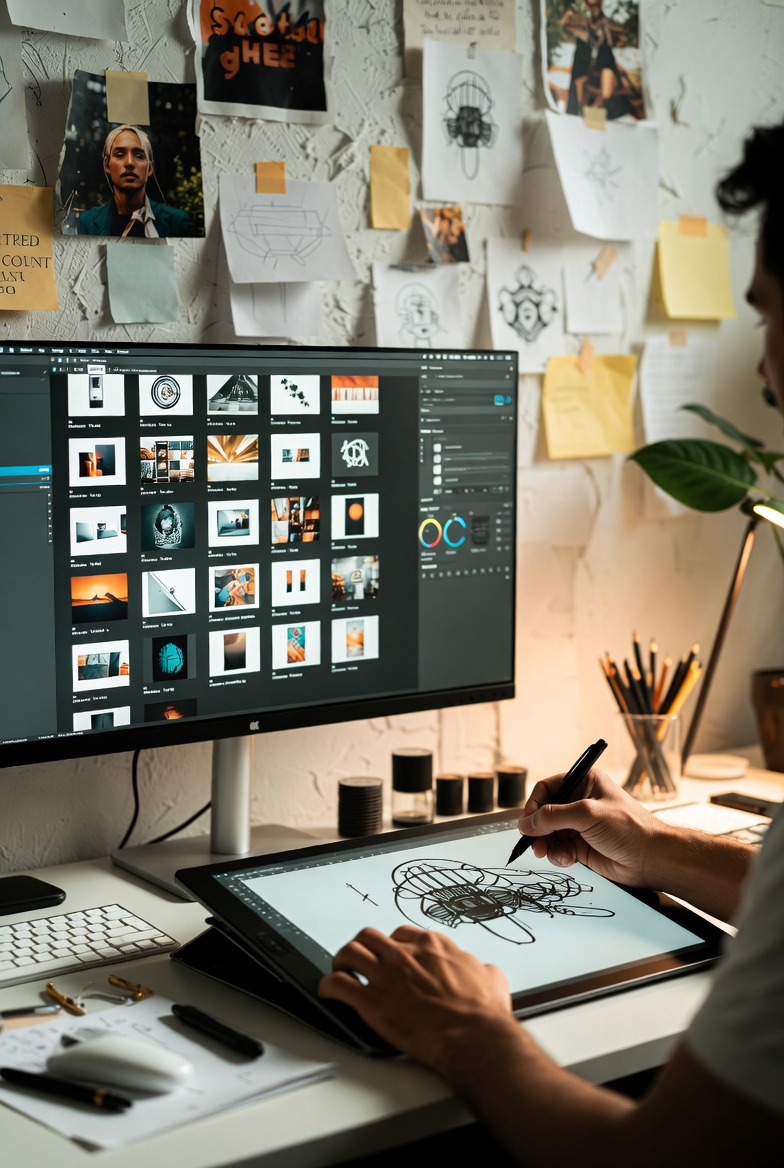
<strong>AI-powered creative tools</strong> democratize high-end design; today, any creator can prototype interactive 3D, realistic visuals, or generative artworks in minutes.
<br>
Fuente: <a href="https://maploon.com" target="_blank" rel="noopener">maploon.com</a>
</p>
<p>
<strong>XR (AR/VR/MR)</strong> becomes mainstream, making immersive, spatial experiences accessible beyond experimental niches.
<br>
Fuente: <a href="https://sadesign.ai" target="_blank" rel="noopener">sadesign.ai</a>
</p>
<p>
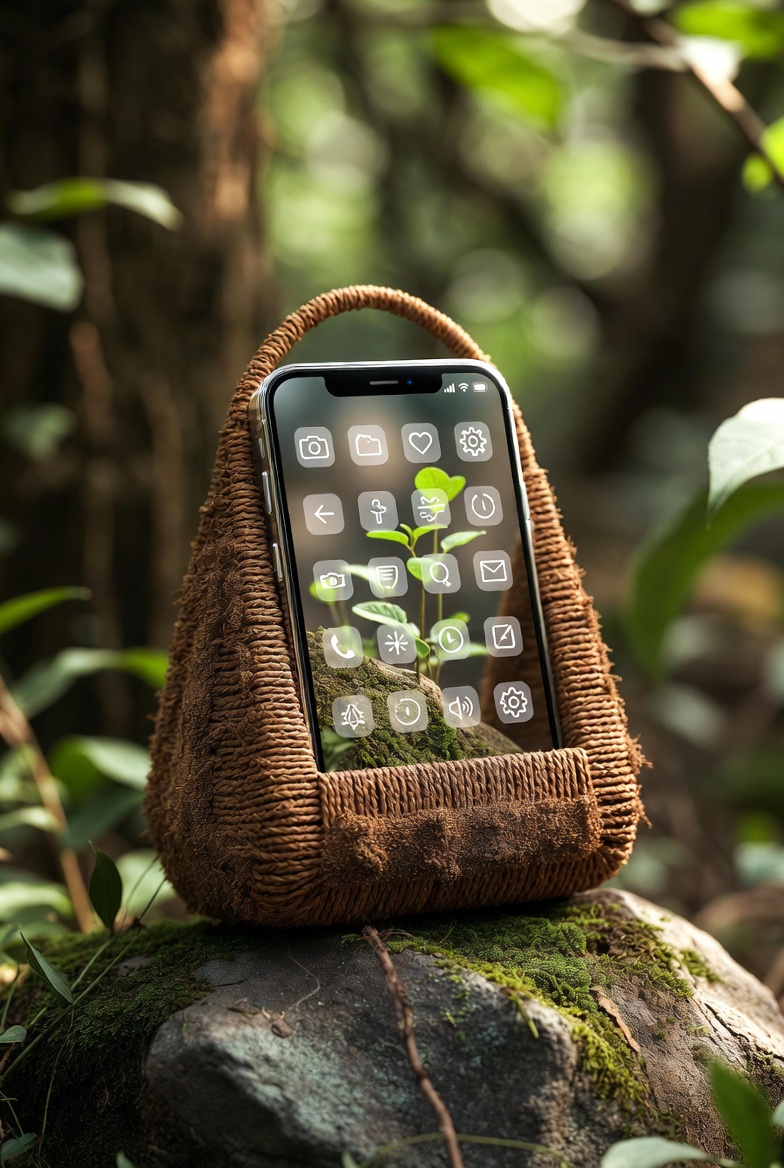
A growing demand for <strong>authenticity, sustainability, and human-centered design</strong> pushes creators to integrate tactility, real materials, inclusive visuals, and responsible aesthetics when merging physical and digital.
<br>
Fuente: <a href="https://lilian-li.com" target="_blank" rel="noopener">lilian-li.com</a>
</p>
<h2>Impact on Key Creative Industries</h2>
<h3>Branding & Visual Identity</h3>
<p>
Phygital identity means logos, colors, and shapes that don’t just live on screens, but adapt across packaging, labels, and physical spaces.
They also expand into motion, AR layers, and real textures.
Brands become <strong>visual organisms</strong>, not static images.
</p>
<h3>Web Design & UX/UI</h3>
<p>
Websites stop being mere pages. They evolve into hybrid portals where experiences continue in AR, on large screens, or in physical environments.
Responsive interfaces, motion design, sensory design, and experiences that transcend scrolling define the new UX.
</p>
<h3>Multimedia, Animation & Illustration</h3>
<p>
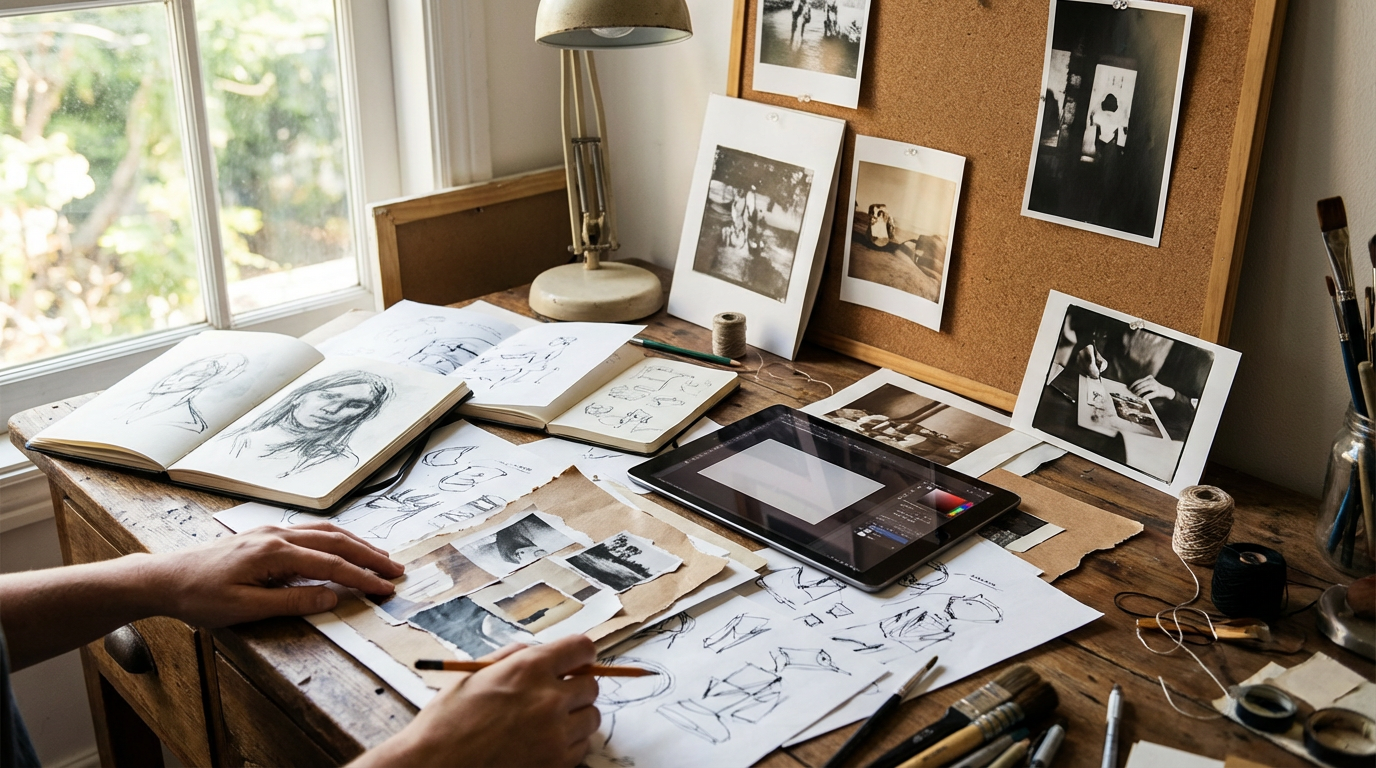
The blend of photography, 3D, illustration, and generative effects becomes standard.
Visual storytelling embraces depth, tactility, mixed textures, hybrid aesthetics, artistic glitch, and phygital collage.
<br>
Fuente: <a href="https://lummi.ai" target="_blank" rel="noopener">Lummi</a>
</p>
<h3>Marketing & Social Media</h3>
<p>
Content isn’t just watched; it’s lived.
Phygital campaigns merge realities: an online ad becomes an AR experience, packaging unlocks digital layers, and a social post invites tangible interaction.
Younger audiences want “real + digital + emotional.”
</p>
<h3>Sustainability & Ethical Design</h3>
<p>
Phygital creativity demands coherence: real, recyclable materials; responsible design; honest storytelling.
In a world saturated with digital effects, the tangible and authentic becomes a differentiator.
<br>
Fuente: <a href="https://lilian-li.com" target="_blank" rel="noopener">lilian-li.com</a>
</p>
<h2>Key Trends and Triggers for 2026</h2>
<ul>
<li>
<strong>Phygital Mixed-Media & Collage</strong>: real photography + physical textures + digital effects + 3D. Hybrid, rich, ambiguous visuals.
<br>
Fuente: <a href="https://lummi.ai" target="_blank" rel="noopener">Lummi</a>
</li>
<li>
<strong>Adaptive Identity Systems</strong>: visual identities that change by medium, device, context, or user. Responsive logos, color variants, motion branding.
<br>
Fuente: <a href="https://tribera.com" target="_blank" rel="noopener">tribera.com</a>
</li>
<li>
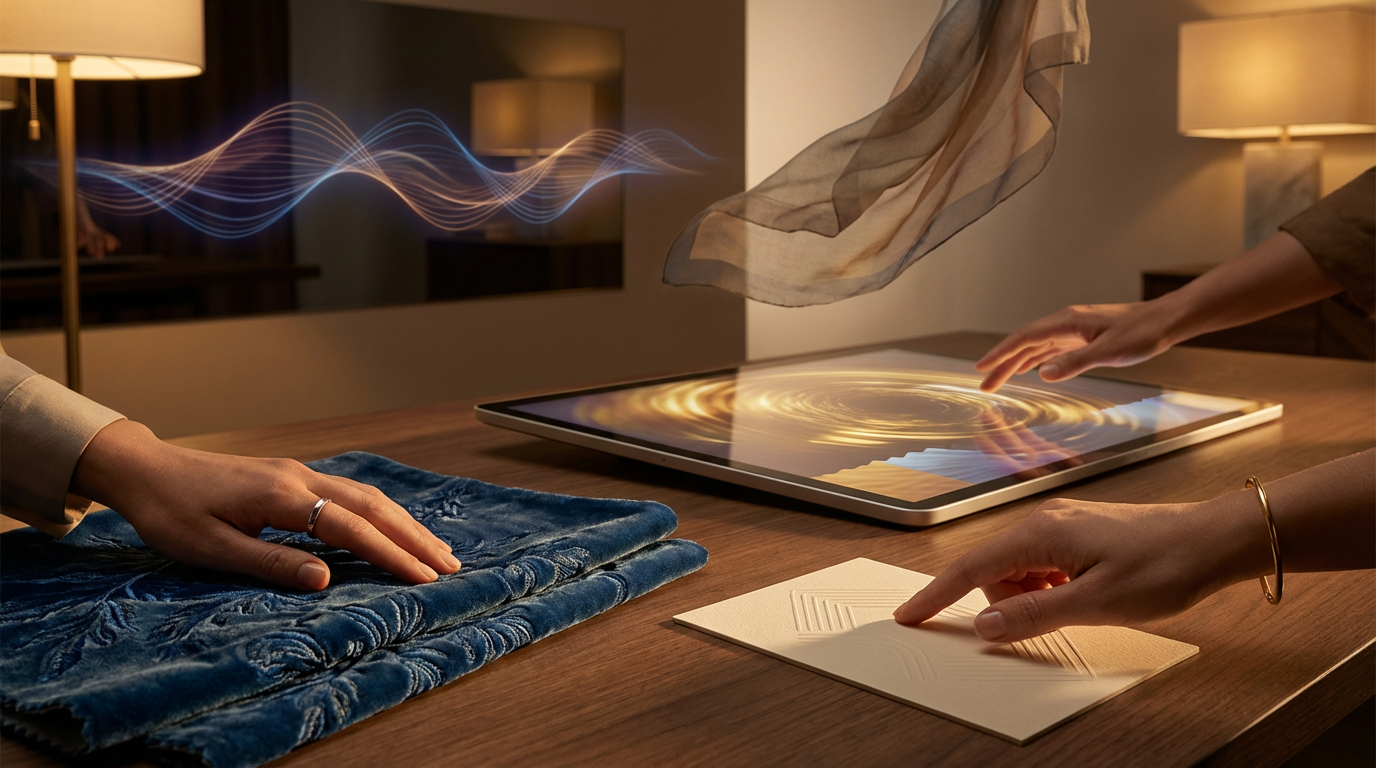
<strong>XR & Spatial UX</strong>: immersive experiences, shared digital spaces, physical-digital interaction, multisensory storytelling.
<br>
Fuente: <a href="https://sadesign.ai" target="_blank" rel="noopener">sadesign.ai</a>
</li>
<li>
<strong>Art + AI + Creative Ethics</strong>: generative tools used to create art, visuals, and illustrations while keeping authenticity, originality, and human intention at the center.
<br>
Fuente: <a href="https://mossandfog.com" target="_blank" rel="noopener">Moss and Fog</a>
</li>
<li>
<strong>Material & Visual Sustainability</strong>: environmentally conscious design in graphics, packaging, UX, and brand identity. Less digital excess; more tactility, realism, and coherence.
<br>
Fuente: <a href="https://lilian-li.com" target="_blank" rel="noopener">lilian-li.com</a>
</li>
</ul>
<h2>Why This Evolution Matters</h2>
<p>
Users are tired of slick but shallow content. They seek connection: with brands, contexts, and mixed realities.
The tools exist — AI, XR, sensory design. What’s missing is vision.
2026 belongs to those who understand that creativity isn’t only what you see; it's what you feel, touch, and experience.
</p>
<p>
<strong>Phygital Creativity</strong> is both an invitation and a declaration: the next generation of design doesn’t belong to screens. It belongs to life.
</p>
Phygital Creativity 2026: When Digital and Physical Design Merge