What Is Post-Interface Design?
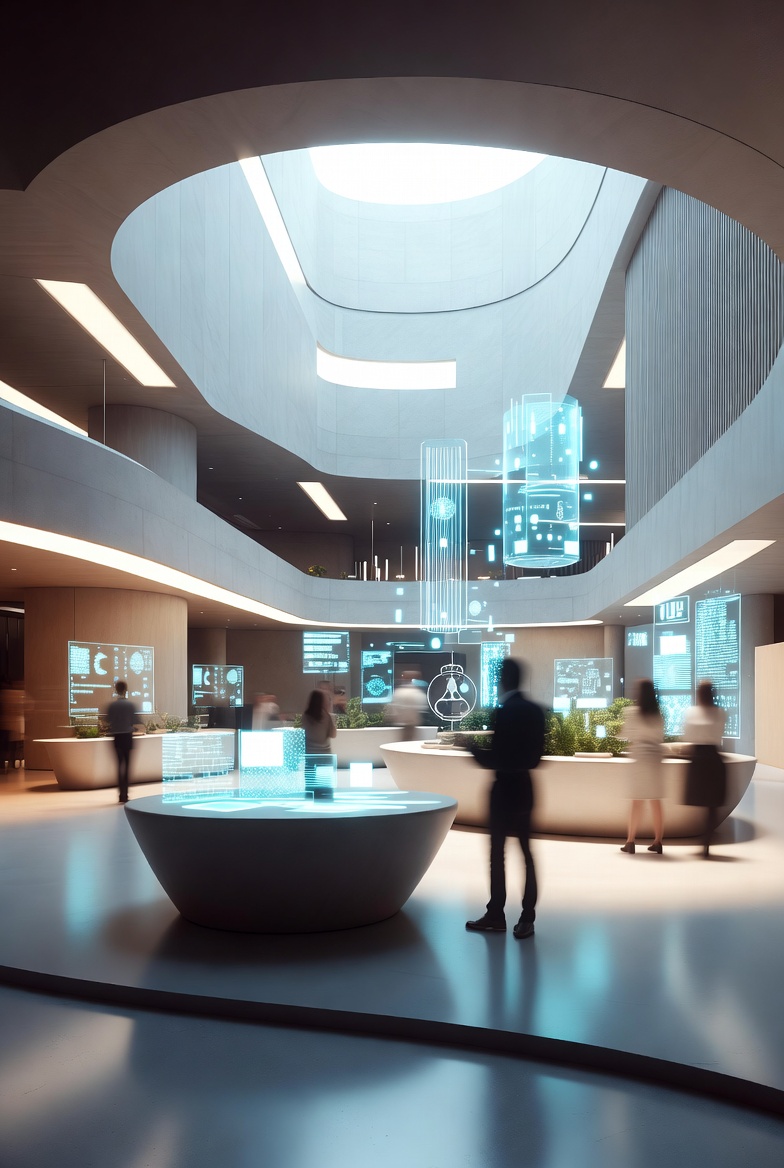
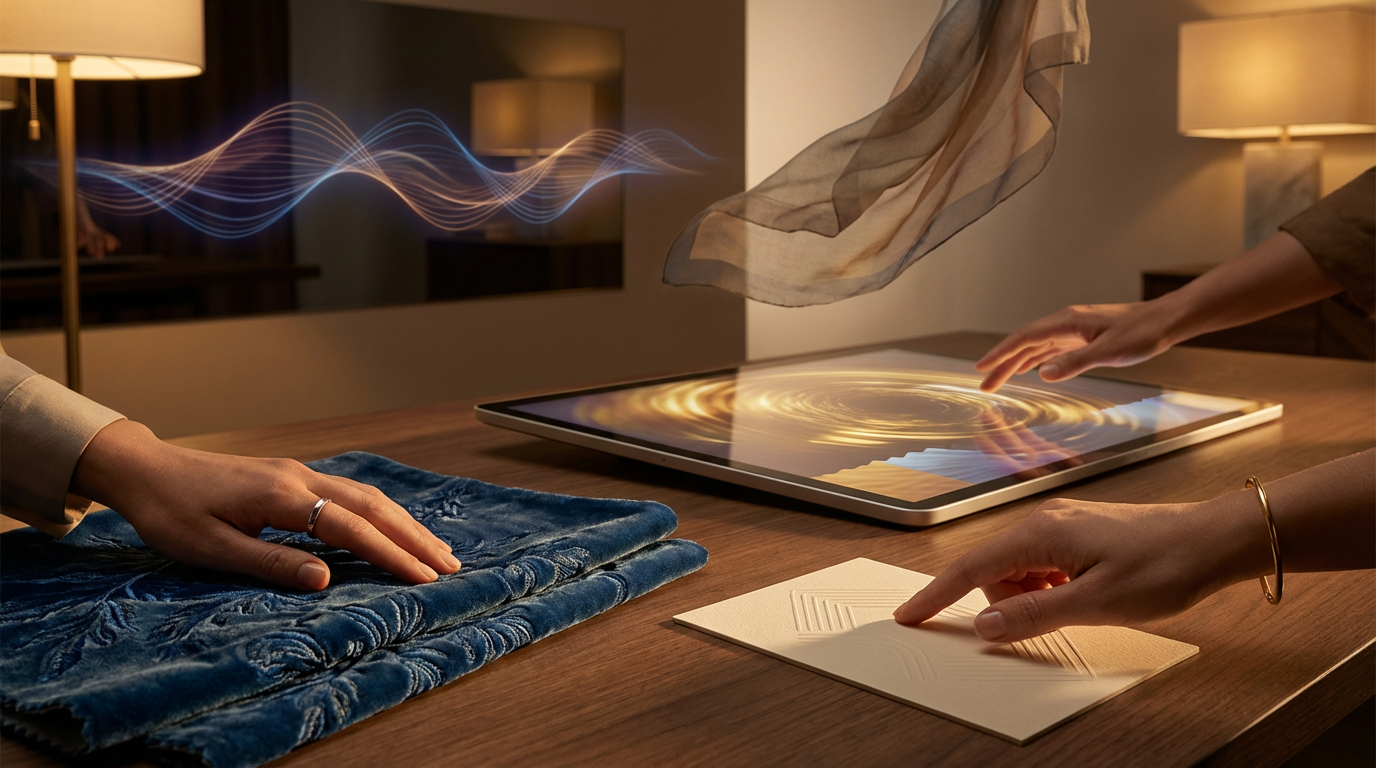
Post-Interface Design describes a paradigm where interaction no longer relies primarily on screens, menus or visible controls. Instead, experiences are shaped through voice, gestures, context, environment, AI inference and spatial presence.
In 2026, interfaces don’t disappear — they dissolve.
Users no longer “use” interfaces. They move through them, speak to them, exist within them.
Why Post-Interface Design Is Accelerating
1. AI Understanding Context
AI systems can now infer intent, emotion, and situational context. This reduces the need for explicit input and visual clutter.
2. Spatial & Ambient Computing
XR, wearables, sensors and smart environments create continuous interaction layers beyond traditional screens.
3. Human Fatigue with Screens
Users are overloaded. Post-interface experiences reduce cognitive strain by removing unnecessary visual interaction.
How This Impacts Creative Disciplines
UX & Product Design
UX shifts from interface layout to behavior choreography:
when something appears
how it responds
when it stays silent
Designers become architects of invisible systems.
Branding & Identity
Brands express themselves through behavior, tone, rhythm and presence, not just visuals. A brand is how it responds, adapts and respects attention.
Web & Digital Experiences
Websites evolve into gateways that trigger voice, spatial or contextual layers. The page is no longer the destination.
Motion, Sound & Storytelling
Motion design becomes subtle, ambient and responsive. Sound design becomes a primary interface. Storytelling unfolds through interaction, not navigation.
Marketing & Technology
Marketing becomes situational and experiential. Messages appear only when relevant, through environment-aware systems.
Aesthetic Direction of Post-Interface Design
Minimal visible UI
Emphasis on space, silence and timing
Soft motion and ambient feedback
Natural language and voice interaction
Design that feels calm, respectful and intelligent
Why This Matters for 2026
Because the future of design isn’t about more interfaces — it’s about less friction.
Post-Interface Design marks a shift from control to trust, from attention capture to attention care.
The most advanced experiences won’t look complex.
They’ll feel obvious.
Conclusion
Post-Interface Design challenges creatives to design what cannot be seen — only felt.
In 2026, the best experiences won’t ask users to click, tap or scroll.
They’ll simply respond.
Post-Interface Design: Creating Experiences Beyond Screens in 2026