H2: What is Neurodesign?
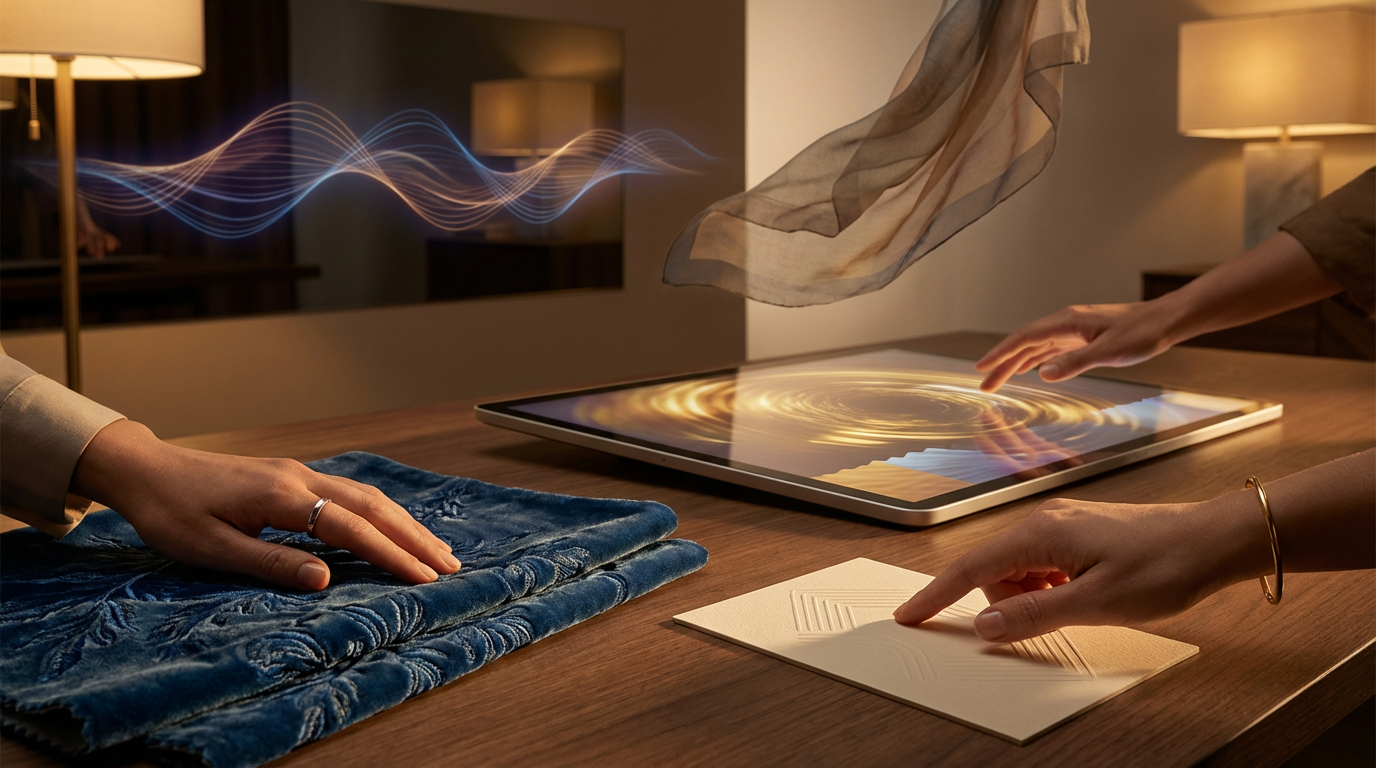
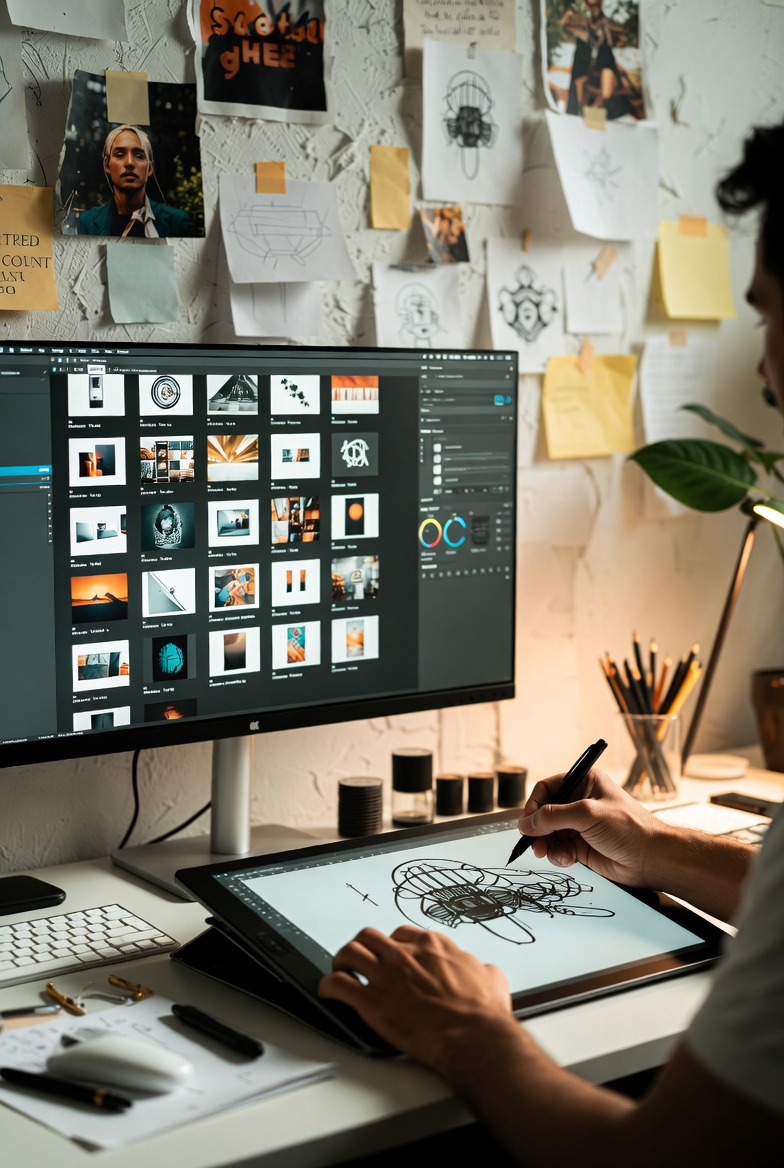
In its simplest terms, neurodesign is the fusion of neuroscience, cognitive psychology and design thinking. It’s not just about how something looks—but how it feels, how it is processed and how it influences the brain.
Built In
+2
Bejamas
+2
This approach asks: what happens when you design not just for logic, but for the brain’s wiring? For attention, memory, emotion, ease of processing? As one recent article put it: “designing for the whole user’s mind, senses and emotions.”
WillShall
+1
H2: Why It Matters Across Creativity, Marketing & Media
In 2025, marketing and creative fields face two big challenges: attention scarcity and emotional fatigue. Consumers are overloaded. Smart brands and designers answer by going deeper—into the brain.
Neurodesign helps creative professionals move beyond superficial visuals into meaningful experiences. For example:
Marketing & branding: When design taps into emotional triggers and cognitive ease, conversion and loyalty improve. Research shows that designs optimized with neurofeedback can boost engagement 20–30%.
fabcomlive.com
+1
Web design & UX/UI: Studies show human cognitive load is limited; simplifying interfaces, guiding attention and reducing friction are at the core of neurodesign.
link.highedweb.org
+1
Film, video, animation, illustration: Visual storytelling that aligns with perceptual and emotional patterns creates stronger recall and immersion. When we design for the brain, we design for impact.
Photography & visual design: By understanding how the brain processes visuals (saliency, fluency, emotional tone) designers can craft imagery that resonates faster and deeper.
Bejamas
+1
H2: 3 Key Principles of Neurodesign You Can Use Today
H3: 1. Processing Fluency & First Impressions
Our brains favour what is easy to process—what we recognise, decode quickly, feel comfortable with. Faster fluency leads to positive response.
Bejamas
In design: clean layouts, simple choices, familiar cues. Whether in a website banner, motion graphic or packaging design, your user’s brain should say “I get it” in seconds.
H3: 2. Visual Saliency and Attention Guidance
What the brain notices first drives what it acts on. Neurodesign uses hierarchy, contrast, motion and placement to guide attention deliberately.
Sortlist
+1
In animation or motion branding: use subtle cues or micro-animation to pull attention exactly where you want it.
H3: 3. Emotional & Cognitive Resonance
Design that touches memory, emotion or meaning stays longer. Neurodesign invites us to trigger emotional drivers (nostalgia, surprise, trust) and design for how the brain remembers.
Medium
+1
In brand cinema, illustration, photography: stories that speak to subconscious motivations resonate.
H2: Cutting-Edge Trends in 2025 Shaped by Neurodesign
H3: AI-Enhanced Personalisation at the Brain Level
Brands are using AI + neurodesign: tracking behavioural and biometric cues to personalise UI, visuals and journeys.
LinkedIn
+1
Imagine websites that adapt layout, tone, colour based on mood or cognitive load.
H3: Immersive 3D, AR/VR & Multisensory Design
As immersive environments proliferate, neurodesign insight becomes critical. Designers must factor how the brain perceives spatial cues, depth, motion and sensory feedback.
WillShall
+1
For example: a branded virtual space that uses movement, scale and micro-interactions to keep engagement high.
H3: Micro-Animations, Micro-Interactions & Neuro-Microdesign
Micro-interactions (tiny movements, haptic feedback, sound cues) align with brain reward systems: these cause delight, engagement, retention.
avivdigital.in
+1
In web design, motion branding, illustration transitions—even packaging experiences: apply neurodesign to every touch.
H3: Ethical & Conscious Design for Brain Well-Being
With neurodesign we must also ask: is this ethical? Are we manipulating or supporting users? The trend gains a layer of responsibility.
MoldStud
Designers of 2025 must blend creativity with neuroscience and ethics.
H2: Visual Direction & Style-Suggestions for Creative Projects
When programming for neurodesign aesthetic, consider:
Mood: Calm but dynamic. Use deep blues or warm neutrals as base; accent with electric colour pops to draw attention.
Composition: Balanced whitespace, clear visual hierarchy. Motion: subtle micro-animation on buttons, hero visuals, interactive elements.
Photography/Illustration: Use genuine human figures with emotional expression (connecting to brain emotional drivers), show subtle motion blur or depth for saliency.
Video/Cinema: Opening seconds count. Use fast visual hook (
Neurodesign: How the Brain-First Design Revolution Is Reshaping Creativity