H2: Why Micro-Animation Matters Now
In today’s saturated digital landscape, every interaction must count. That’s why micro-animation—those subtle, tiny movements embedded in digital interfaces—is becoming a central design strategy, not just decoration. According to recent trend analyses, micro-interactions and animations are among the leading UX/UI phenomena of 2025.
Medium
+2
switchsoftware.io
+2
When thoughtfully applied, micro-animation guides attention, offers feedback, and creates emotional resonance—ultimately improving usability and driving engagement.
H2: How Micro-Animation Spans Creative Disciplines
H3: Web Design & UX/UI
For websites and apps, micro-animation is about far more than a hover effect. In 2025 design landscape, these animations serve purposeful functions: guiding users, reinforcing brand identity, easing cognitive load. As one overview notes: “Micro animations help guide users, reinforce actions, and give interfaces that extra bit of polish.”
DEV Community
+1
For example: a button that gently pulses to indicate its clickable nature, a progress bar that fills with personality, or a card that subtly lifts on hover to illustrate interactivity.
H3: Animation, Illustration & Motion Branding
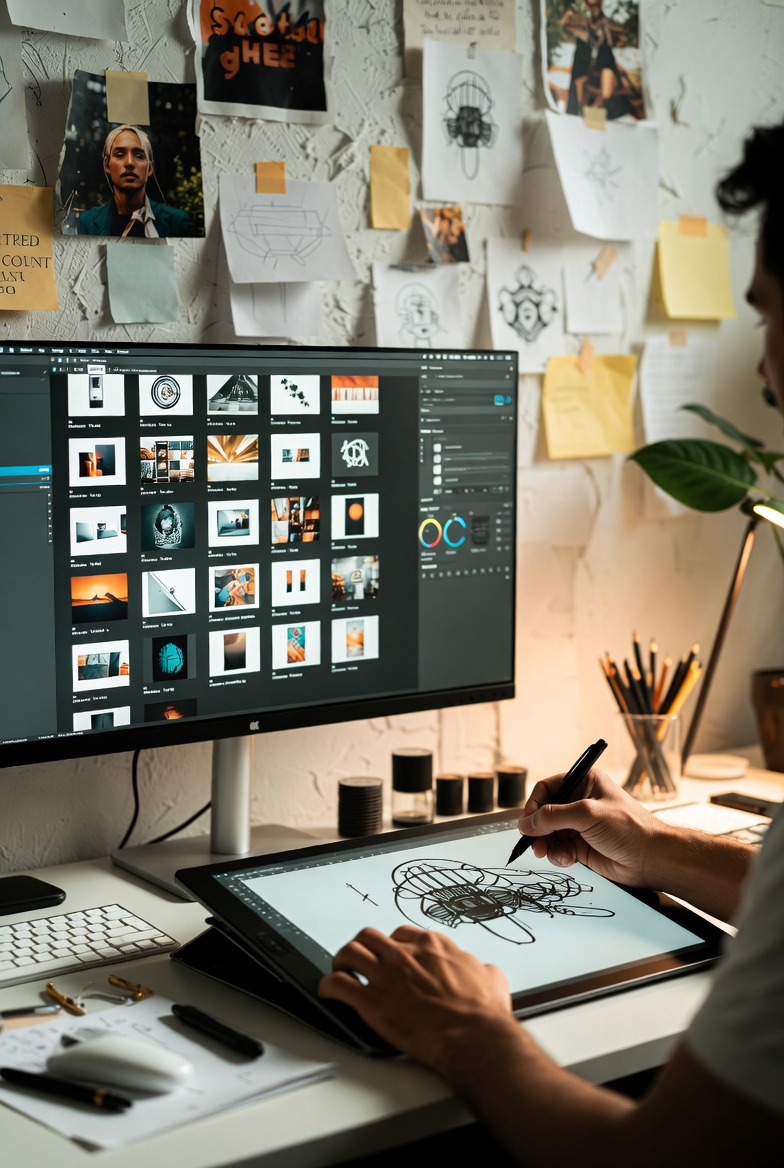
In animation and branding, micro-animation bridges static design and full motion video. Think of an illustrated logo that morphs subtly on page load, or a transition between scenes in a short video that uses micro-motion to keep viewer attention without overwhelming them.
Here the term “micro-animation” becomes literal: small animations—not full cinematic sequences—but deep enough to evoke meaning and brand emotion.
H3: Photography, Video & Cinema
Even in photography and cinematic content the micro principle applies: small animated elements, motion overlays, cinemagraphs or subtle camera moves that draw the eye and create mood. Visual storytelling in 2025 favours environments where stills feel alive through discreet motion cues.
H3: Marketing & Creativity
From social-media reels to interactive ads, micro-animation is vital. A short loop animation, hover transformation or content reveal can hook in seconds. Trend guides for marketing UX suggest micro-interactions deliver delight, reduce friction and build connection.
Userpilot
+1
H2: Key Principles for Effective Micro-Animation
H3: Purpose Over Decoration
Micro-animation must serve a function: provide feedback, guide a process, delight with subtlety—not distract. Trend writers emphasise purposeful micro-interactions in 2025, not “cute but meaningless” motion.
Medium
+1
H3: Timing & Performance
Speed matters. Animations too slow annoy; too fast confuse. Micro-animation typically occurs within 200-500 ms. Also ensure performance—heavy animations slow sites and degrade UX.
H3: Consistency & Brand Language
Align motion style with visual identity: easing curve, colour accent, duration should feel like part of the brand voice. A micro-animation should “feel” like the brand.
H3: Accessibility & Inclusion
Motion must not overload or exclude. Users with vestibular sensitivity, screen readers or low-end devices require fallback states.
H3: Emotional Connection
Motion is powerful for emotion. A tiny bounce, a shake, a subtle reveal — these connect on a human level. In 2025, designers shape micro-motion to touch feelings, not just functions.
H2: Leading Trends in Micro-Animation for 2025
H3: Context-Aware Motion
Micro-animations that adapt to user behaviour, device type or environment are rising. For example: product card animation that responds differently on mobile vs desktop. As one design survey notes: “In 2025, ecommerce sites … use sophisticated micro animations to enhance UX and dynamically showcase products.”
TheeDigital
H3: Gesture & Touch-Based Micro-Motion
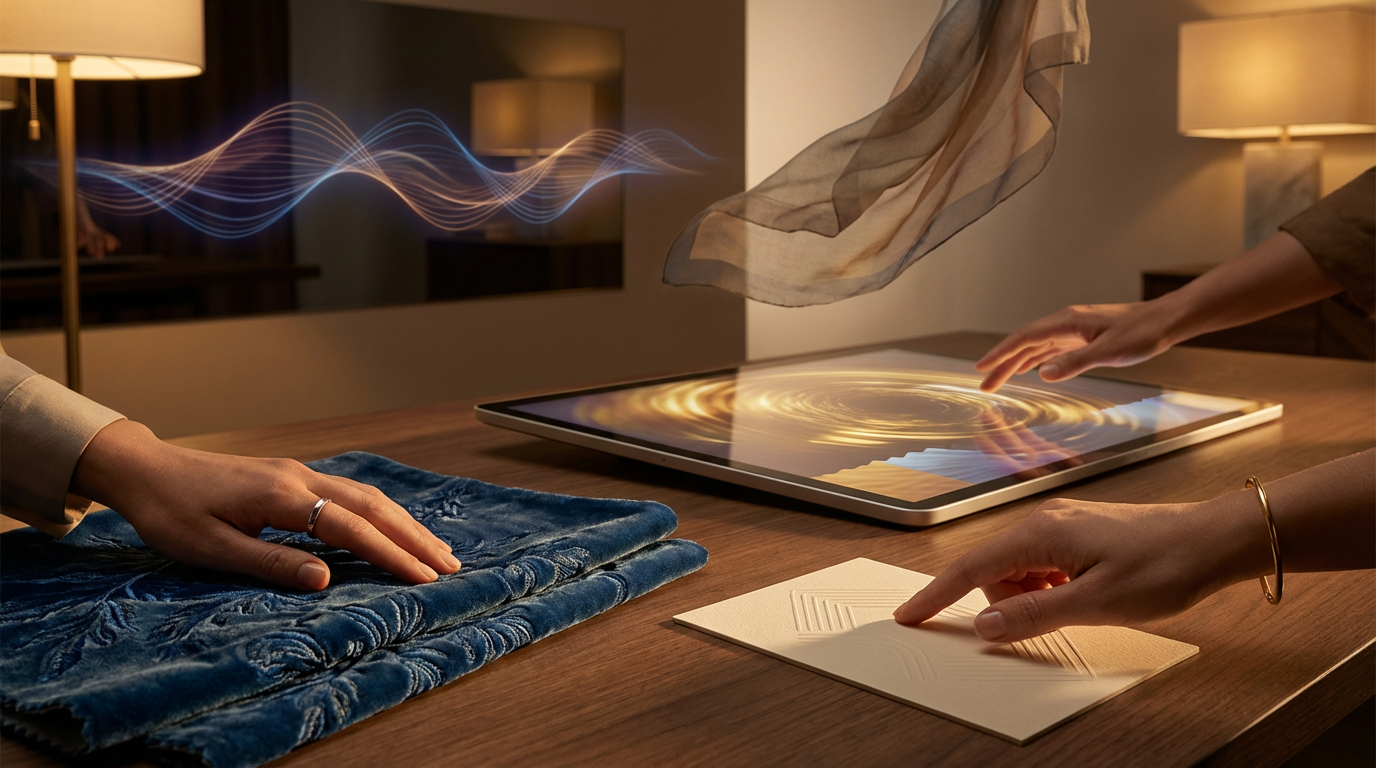
Micro-interactions via gestures (swipe, long-press, hover) combined with motion feedback are predicted to dominate UX.
switchsoftware.io
+1
H3: Micro-Animation Meets AI & Motion Design
AI-driven tools auto-generate motion behaviours and micro-animations in UI flows. Designers shift from creating each frame to curating motion logic.
H3: Ethical Motion & Minimal Waste
In line with conscious design, micro-animations are being optimized for efficiency: minimal frame waste, performance friendly, reducing digital fatigue.
H3: Micro Motion in Immersive and 3D Contexts
In VR/AR and 3D web spaces, micro-animation ensures that even small interactions feel real and intuitive: button haptics, subtle environment animations, responsive UI panels.
H2: Visual Direction & Art Style Suggestions
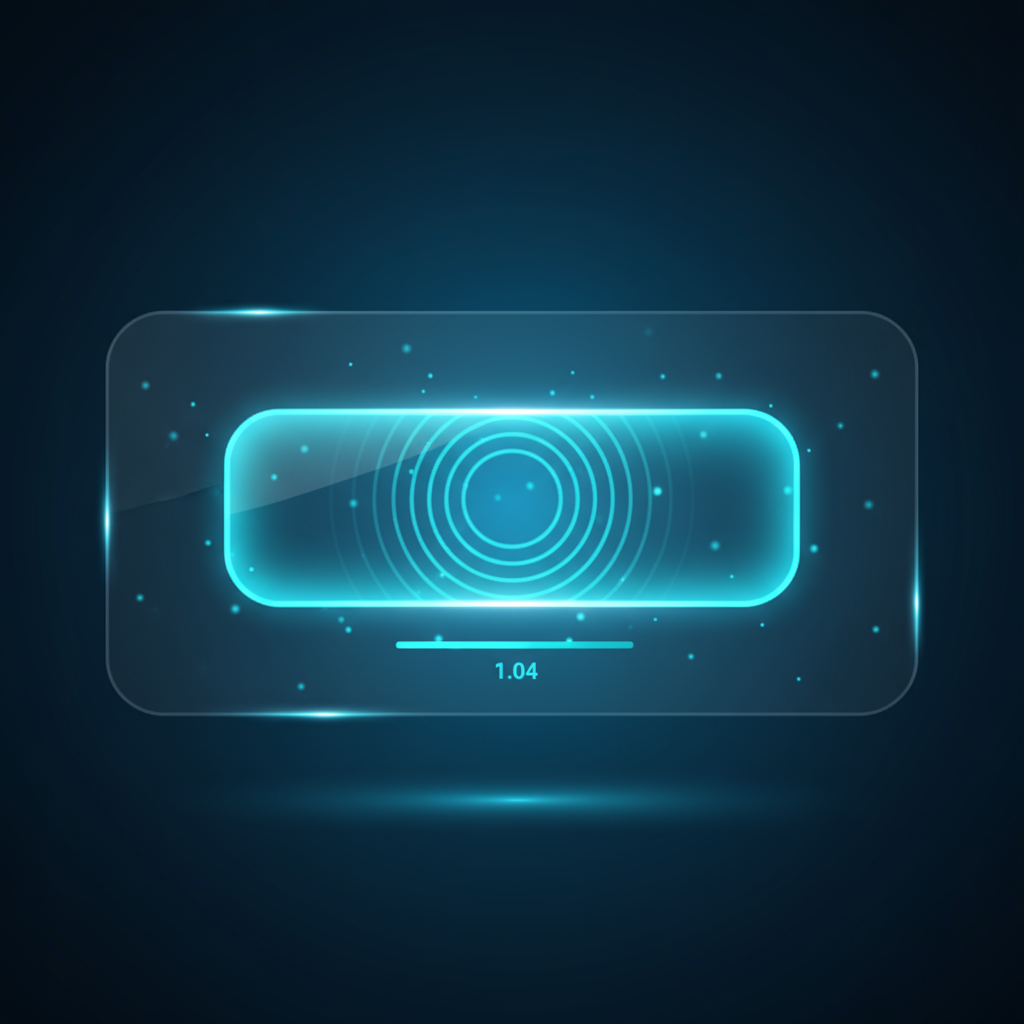
Mood: sleek, modern, intelligent. Colour palette: deep midnight blue (#0D1B2A) contrasted with vibrant accent cyan (#12E0F0) to highlight motion triggers.
Composition: generous white (or dark) space, minimal layout; motion used only on essential interactive elements.
Style: flat-vector UI combined with soft shadows and micro-motion; for brand animations use 2.5D layered motion elements with slight parallax.
Photography/Video: real human close-ups of interaction, overlayed with subtle motion: finger taps, UI ripple, button glow.
Illustration: line-art nodes flowing into UI components, with micro animations showing connection pathways or attention flows.
Motion: ensure ease-in-out easing, subtle blur transitions, 200-400 ms duration for hover/tap feedback.
H2: How to Start Implementing Micro-Animation Today
Audit your digital interface—identify places where user feedback is missing (e.g., button click, form submit, loading).
Introduce one micro-animation per key interaction: hover states, progress indicator, card reveal.
Test for performance: verify animation feels smooth, load time unaffected.
Check accessibility: motion preference settings, screen reader fallback.
Capture metrics: engagement time, conversions, error rate—see if micro-motion reduces friction.
Scale thoughtfully: Create a motion system or style-guide for consistent micro-animations across brand touchpoints.
H2: Conclusion
Micro-animation in 2025 is not optional—it’s essential. The discipline of small motion enriches every facet of digital creativity, from web design, UX/UI, animation, photography to branding and video. When used with purpose, performance and emotion, micro-animation elevates user experience, reinforces brand identity and guides users seamlessly. Embrace the subtle power of motion—the details matter, especially when digital attention spans are shorter than ever.
Elevate User Experience with Micro-Animation: The Subtle Power of Motion in 2025