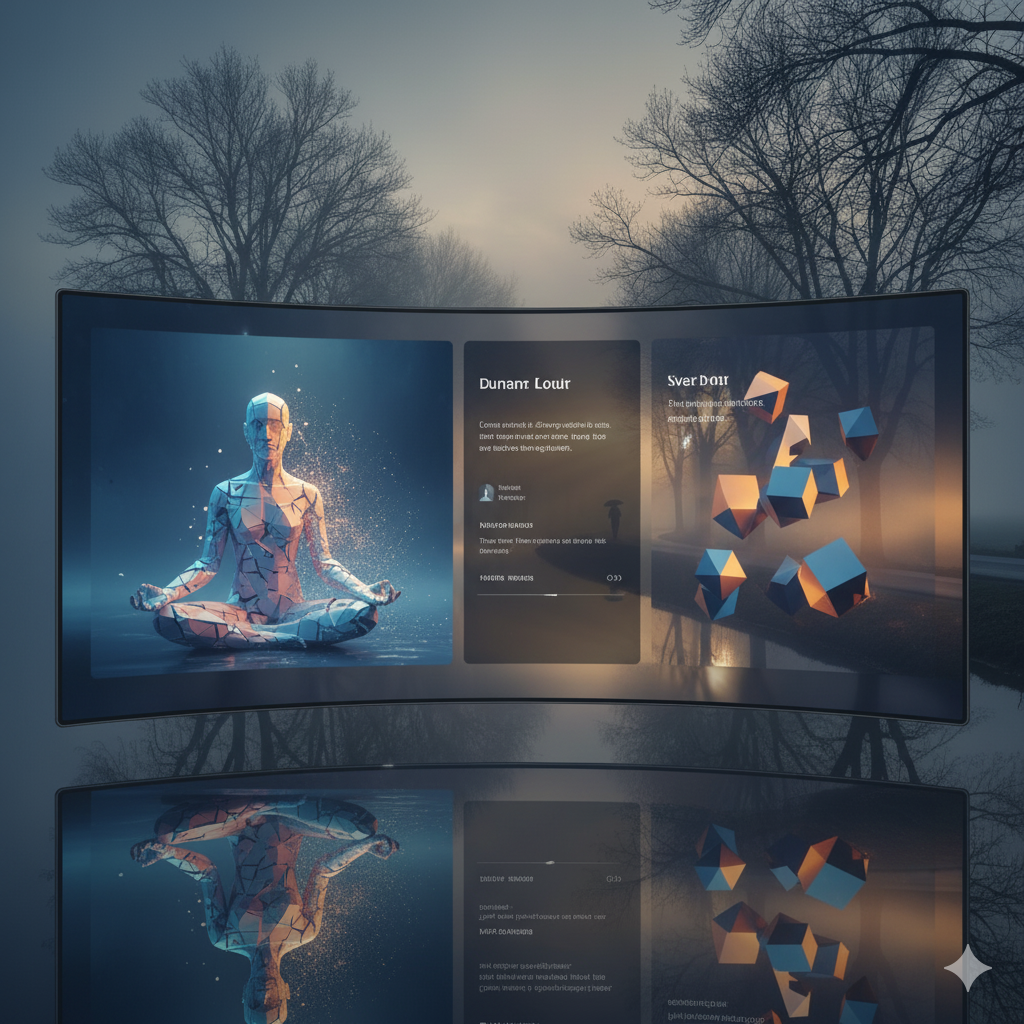
The Power of Emotional Presence
Once upon a time, stories were told through words and images. Today, they’re lived. Immersive storytelling uses sensory depth, interactivity, and technology to make audiences part of the narrative. From cinematic VR to AI-driven experiences, this evolution transforms passive viewers into emotional participants.
Tech giants and indie studios alike are pushing beyond linear narratives. The emotional presence—how deeply a story can make someone feel—has become the new creative KPI. In marketing, this means campaigns designed not for attention, but for connection.
AI as the New Storyteller
Artificial Intelligence is no longer the assistant; it’s the co-author. Tools like Runway, Sora, and Midjourney’s cinematic engines allow creatives to generate dynamic worlds, realistic characters, and adaptive scripts that respond to user emotion in real-time.
The result: stories that breathe with you. Imagine a brand film that adjusts its color palette, tone, or music based on your heart rate. That’s not sci-fi anymore—it’s 2025’s design reality.
From Web Design to Worlds of Experience
In the world of UX/UI, immersive storytelling redefines interactivity. Websites now behave like environments—spaces that react to movement, sound, and gesture. Motion design, 3D elements, and micro-animations guide the user’s emotional journey, transforming navigation into a cinematic experience.
Leading studios such as Resn, Active Theory, and Media.Monks are crafting digital worlds where art direction and interaction fuse into seamless emotion. The interface itself becomes a narrative—alive, responsive, and deeply human.
The Visual Language of Immersion
In photography, cinema, and video, the immersive trend leans toward atmospheric storytelling. Depth of field, dynamic lighting, and environmental soundscapes evoke presence and intimacy. Color grading moves from hyperreal to emotional palettes—shades that reflect internal states more than objective reality.
Illustration follows suit: hybrid styles blending 2D surrealism with 3D realism, creating visual tension that feels dreamlike and symbolic. It’s a return to art as emotional communication.
Immersion as Branding
Brands embracing immersive storytelling are no longer selling products—they’re designing experiences of belonging. From Nike’s interactive digital spaces to Netflix’s narrative games, immersion builds loyalty through shared emotion.
It’s not just marketing—it’s mythmaking. And in 2025, every brand needs a myth that users can live inside.
Immersive Storytelling: Where Technology and Emotion Redefine Creative Experience