What Does It Mean to Design for Conscious Brands?
When we talk about design for conscious brands, we mean creating identities, visual experiences, and communications that not only look good but also act according to ethical values, sustainability, transparency, and humanity.
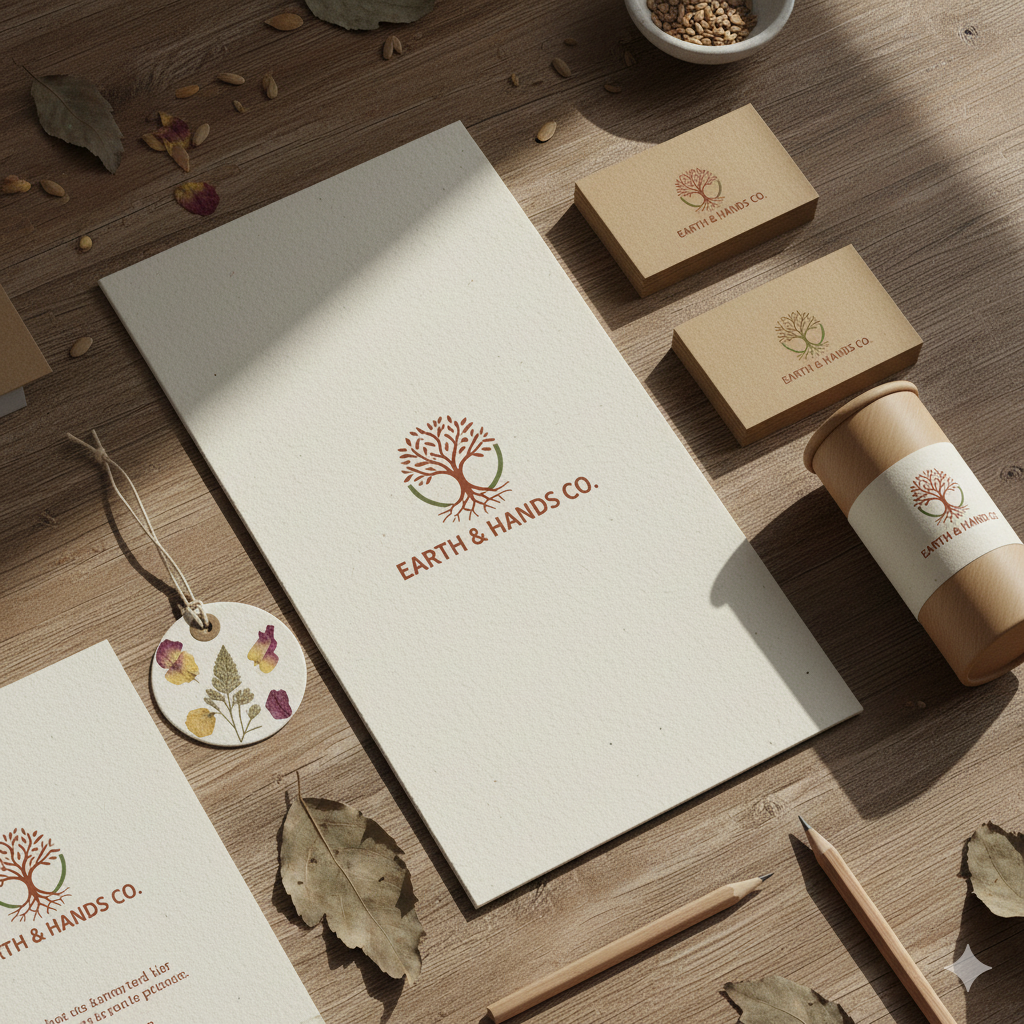
Modern audiences demand that what brands say matches what they do. A beautiful but soulless design is no longer enough. In 2025, conscious design becomes the way a brand proves that its values aren’t just marketing. Natural palettes, friendly typography, organic textures, and authentic storytelling embody that new era. (mellowdesigns.co
)
Why It Matters in Marketing, Creativity, and Visual Design
Trust and Credibility: Brands that visually communicate their ethical commitment earn stronger loyalty. A visual identity aligned with values strengthens message credibility. (thetopoftherock.com
)
True Differentiation: In a sea of corporate identities, what stands out are those that connect emotionally and reflect real values. Conscious design = competitive advantage.
Holistic Experience: From UX/UI to packaging, every touchpoint should reflect awareness. It’s not just a green logo — the entire design considers lifecycle, accessibility, and digital impact. (muksalcreative.com
)
Key Principles of Conscious Design
1. Materiality and Circular Economy
Use recycled materials, responsible processes, and low-impact packaging. Design shows it: recycled paper textures, earthy tones, and restrained finishes. (ferrgoodstudio.com
)
2. Visual Transparency and Authentic Storytelling
Show the “behind the scenes” — processes, materials, people. Conscious design speaks through every visual gesture. (muksalcreative.com
)
3. Organic and Human Aesthetics
Earth-tone palettes, imperfect forms, hand-drawn illustrations, and warm typography. Design that feels more human and less corporate. (brandvm.com
)
4. Responsible Digital Design
Efficiency matters: fast-loading websites, dark modes for lower energy use, lightweight typography. Conscious design includes digital sustainability. (muksalcreative.com
)
5. Coherence Between Values and Visuals
It’s not enough to “look green.” If a brand promotes sustainability but uses wasteful digital design or packaging, the inconsistency is obvious. (thetopoftherock.com
)
Emerging Trends for 2025
Eco-Conscious Visual Narratives: Identities evoking nature, craftsmanship, and authenticity. Recycled paper textures, muted tones, and real-life photography. (mellowdesigns.co
)
Dynamic, Adaptive Identities: Designs that evolve contextually, remaining efficient and personalized. Conscious doesn’t mean static. (pony.studio
)
Human Minimalism: A softer minimalism that breathes and invites. Instead of loud, saturated visuals — calm, clarity, authenticity. (muksalcreative.com
)
Inclusive and Diverse Design: Conscious brands acknowledge that design must reach everyone — all bodies, cultures, and contexts. (entrebrand.com
)
User Empowerment: Co-creation, transparent storytelling, packaging that speaks, interfaces that invite active participation.
Suggested Visual Direction & Art Style
Color Palette: Earth tones — sage green, sand, soft ocean blue; natural accents.
Textures: Recycled paper, visible fibers, hand-drawn or imperfect elements.
Typography: Friendly sans-serif combined with soft serif or subtle script details.
Composition: Spacious layouts, clear hierarchy, plenty of breathing room. Real people, real processes.
Motion: Gentle micro-animations — icons sprouting like leaves, transitions resembling organic growth.
Mood: Calm, connected, authentic. Avoid sensory overload; aim for presence and sincerity.
How to Apply It to Your Brand or Project
Audit your visual identity: does it communicate consciousness and coherence?
Adjust palette, textures, and typography to align with ethical values.
Simplify digital assets to reduce loading times and environmental impact.
Use visual storytelling — show the process, people, and real impact behind the product.
Design for inclusion — diverse imagery, accessible language, interfaces for everyone.
Communicate more than “eco.” Communicate integrity and transparency — conscious design demands substance.
Conclusion
“Design for Conscious Brands” is not a creative luxury — it’s a strategic necessity. When a brand’s visual identity aligns with its core ethics, it doesn’t just inform — it transforms, connects, inspires. In 2025, consumers don’t just buy products; they buy values and experiences. Design must therefore express not only what a brand looks like, but what it believes and does. Create brands that are recognized not just for their logos, but for their contribution, transparency, and humanity.
Design for Conscious Brands: Identity with Purpose in 2025