The Rise of AI Amplification
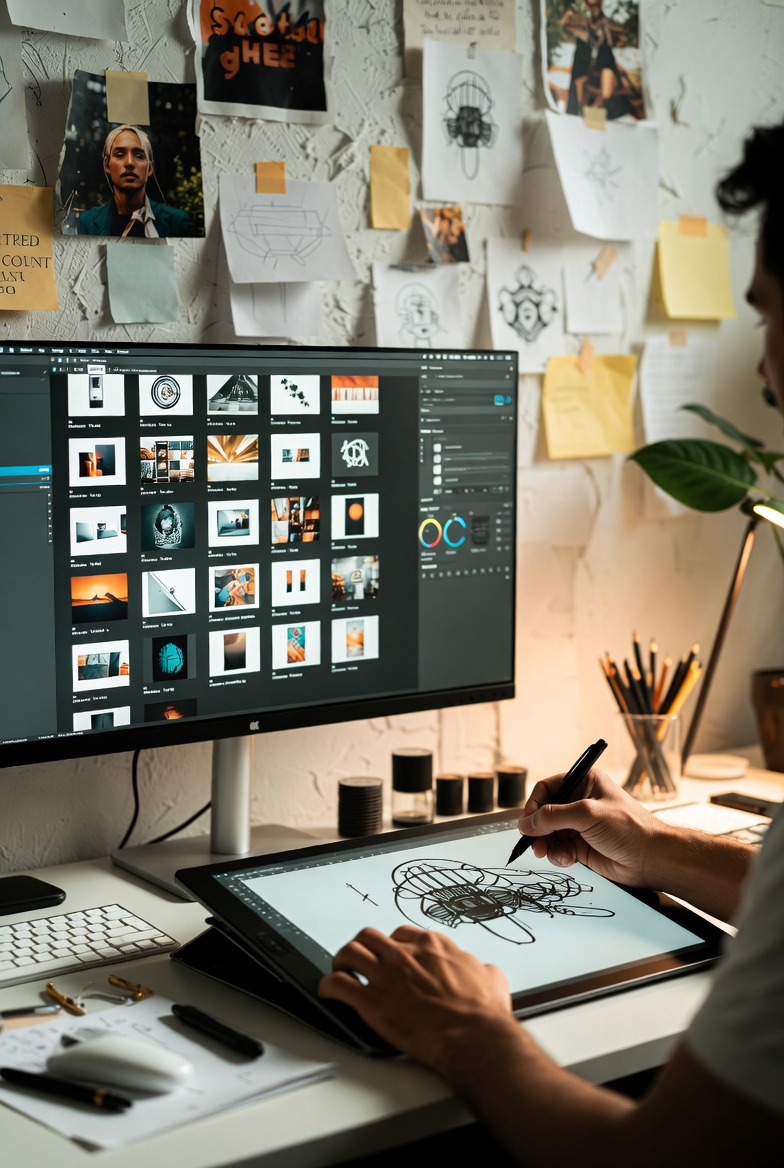
AI Amplification describes the creative model where intelligent systems handle repetitive, mechanical work — layout variations, asset resizing, content testing, brand consistency checks — while human professionals focus on strategy, originality and meaningful judgment. According to Microsoft's 2026 AI outlook, the next wave of AI is built around true collaboration, where a small team can launch a global campaign in days, with AI managing data and production while humans steer creative direction.
The brands that tried to hand full creative control to AI in 2025 learned the hard lesson: the result was bland, forgettable and indistinguishable. In 2026, the standard is clear — AI as amplifier, human as author.
What the Data Says About 2026 Creative Workflows
A survey covering marketers and designers across industries found that 45% identify creative originality and strategic thinking as the most critical skill for 2026 — above any technical AI fluency. Meanwhile, 39% point to AI prompting and workflow design as essential, and 38% emphasize ethical and responsible AI use as a growing priority.
The pattern is consistent: AI handles the "what," humans decide the "why." Design judgment, narrative nuance and brand meaning remain irreducibly human.
Design Trends Shaped by This Shift
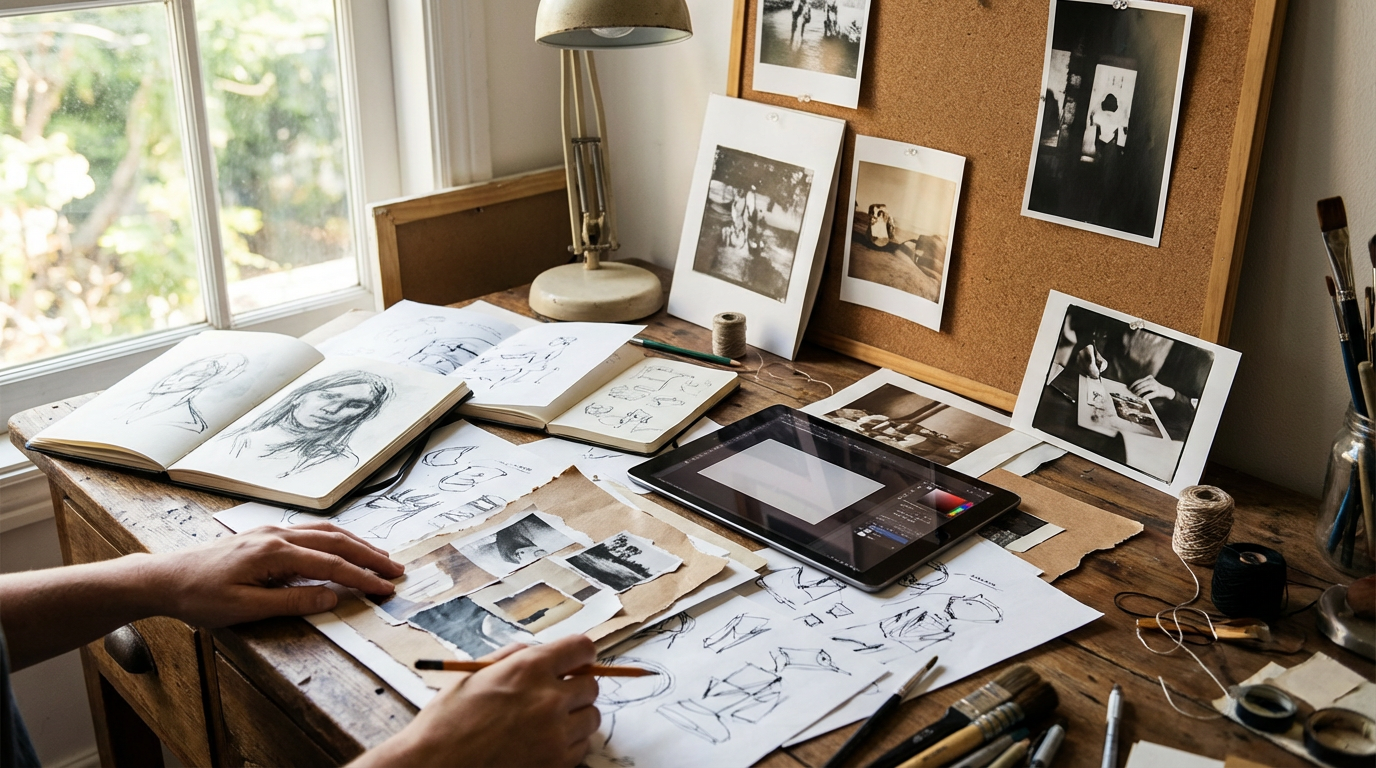
The visual culture of 2026 reflects a direct reaction to over-polished, AI-generated sameness. Leading aesthetics this year include fractured glass effects, mixed-media collage blending photography with 3D and illustration, expressive typography, and a return to classic heritage branding — all rooted in the desire for personality, texture and authenticity over algorithmic precision.
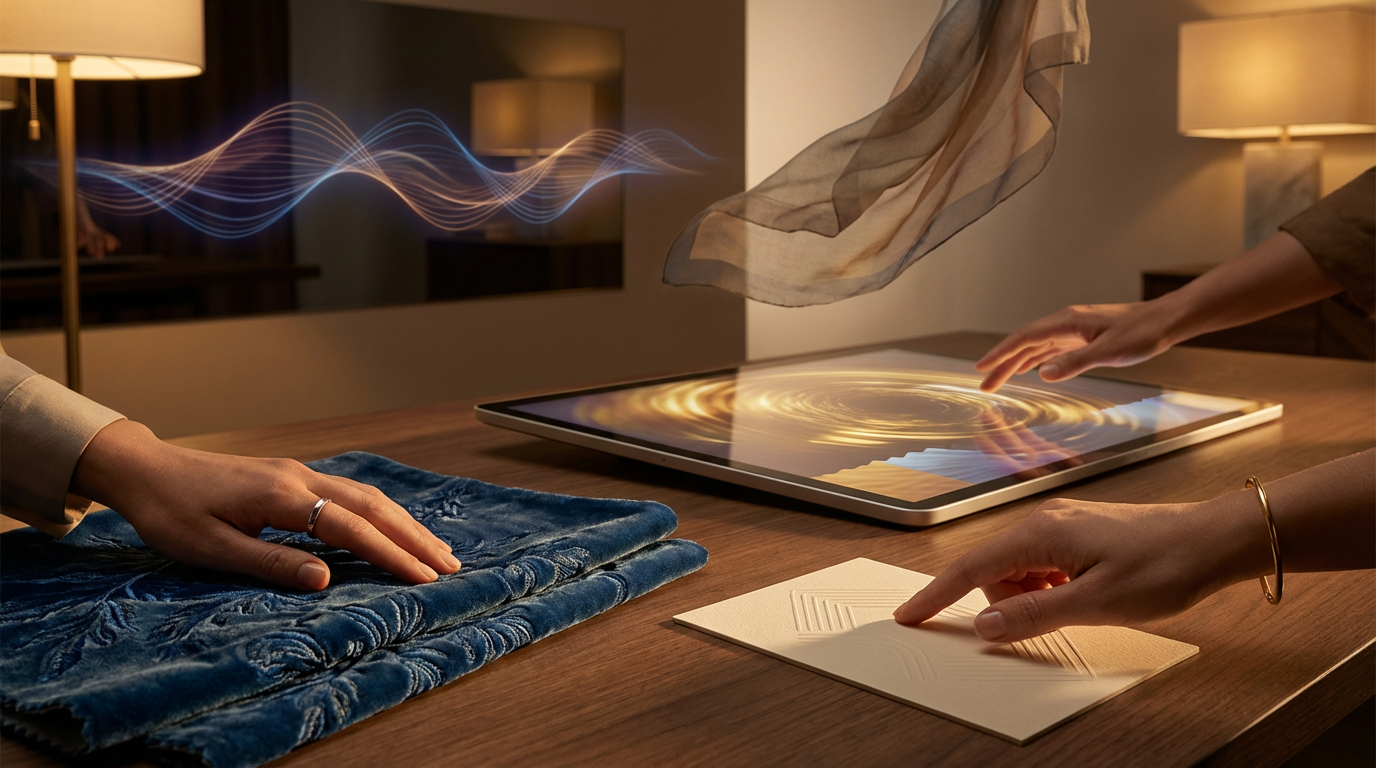
Adobe's 2026 Creative Trends report identifies immersive, multisensory design as the dominant direction, where visuals are built not just to look good but to evoke feeling, depth and cultural resonance. 82% of global consumers expect their senses to be engaged as fully as possible by new brand experiences.
Agentic AI Enters the Creative Stack
One of the most significant structural changes of early 2026 is the arrival of agentic AI in creative workflows. Unlike generative AI that responds to prompts, agentic systems plan, recommend and execute multi-step tasks autonomously. Adobe's Digital Trends 2026 report shows that 63% of organizations expect agentic AI to give employees more time for strategic and creative work, and about a third are already prioritizing agentic deployment over generative AI.
For creative teams, this means AI agents that manage content pipelines, maintain brand consistency across platforms and optimize visual campaigns in real time — freeing designers and strategists to focus on what machines cannot replicate: intent, emotion and cultural meaning.
The New Skills That Matter
Mastering AI tools alone is no longer sufficient. The skills that define creative leadership in 2026 are creative strategy, AI prompting with intentionality, ethical judgment and the ability to maintain a consistent human point of view across AI-assisted outputs. As Charlotte Dobson, Lead Strategist at Saffron Brand Consultants, notes: AI should be treated as an amplifier of originality, not a replacement for it.
The designers and marketers who will lead are those who understand when to use AI and, just as importantly, when not to.
Conclusion
AI Amplification is the creative philosophy of 2026. It does not ask whether to use AI — it defines how to use it without losing the human essence that makes creative work meaningful. Originality, strategy and emotional resonance are not features AI can generate. They are the reasons people choose one brand over another, one experience over another, one story over another.
The tool does not create the vision. The human does.
AI Amplification: Why Human Originality Is the Competitive Edge in 2026