The Year Creativity Stopped Hiding Its Edges
Something significant is happening across design studios, branding agencies and social feeds in 2026. After years of chasing frictionless perfection — clean gradients, symmetrical layouts, flawless AI-generated imagery — the creative world is deliberately going in the opposite direction. According to Canva's 2026 Design Trends report, built from the analysis of over 260 million creators and billions of designs, 2026 is officially the Year of Imperfect by Design. 80% of creators surveyed said this is the year they reclaim creative control, and 77% describe AI as an essential partner — but one they now direct with their own instincts, not the other way around.
The message is clear: when AI can generate anything, the brands that feel most human are the ones that stand out.
What Imperfect by Design Actually Means
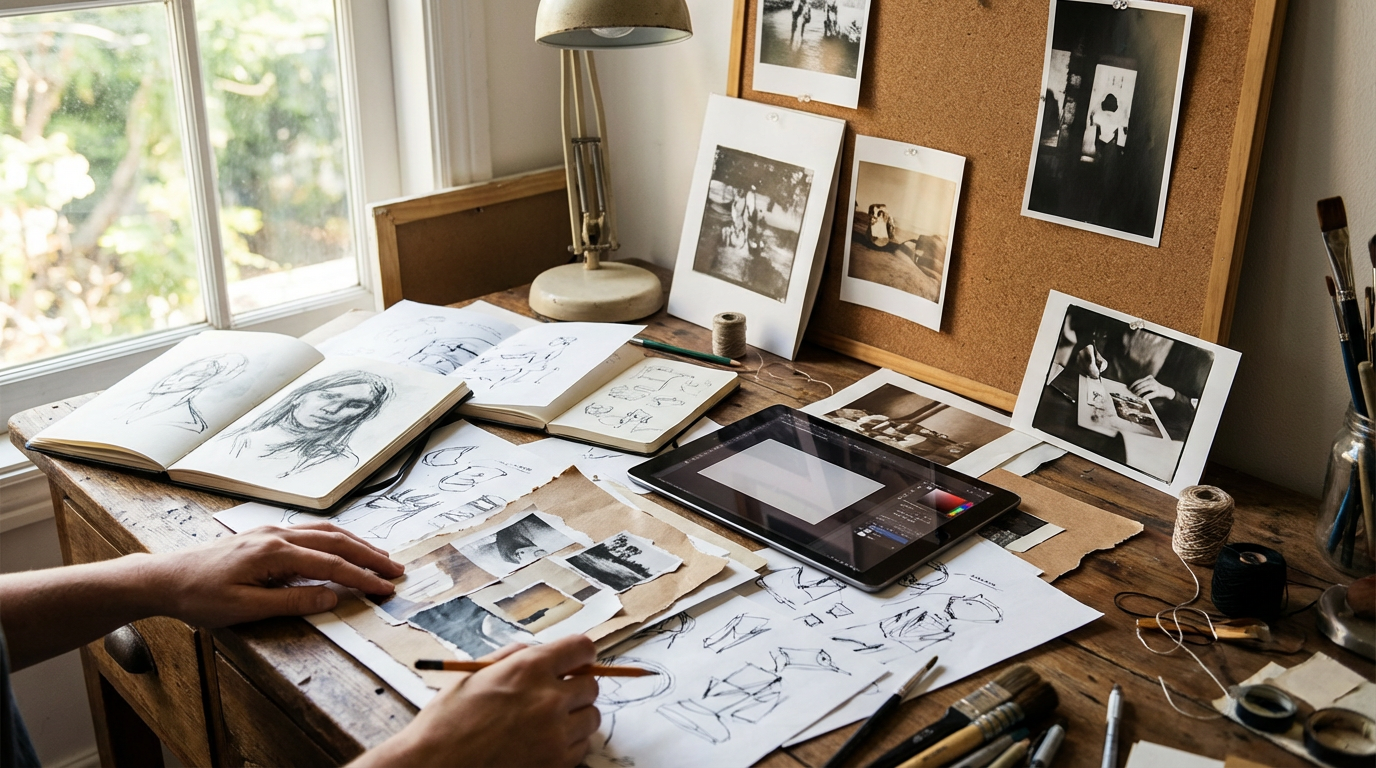
Imperfect by Design is not sloppiness. It is a deliberate creative choice — a rejection of the over-polished, algorithmically smooth aesthetic that has dominated visual culture for the past several years. It shows up as hand-drawn elements, sketchy underlines, wobbly letterforms, layered textures, visible brush strokes, and compositions that breathe with controlled chaos rather than rigid grids.
As Ryan Forrest, creative tech lead at Interstate, explains: "As technology becomes ever more seamless, the handmade, the tactile, and the imperfect is markedly more compelling. In 2026, with limitless tools at their disposal, why would brands rely on simulations when the real thing resonates so deeply?" Creative Bloq
Charlie Beeson, design director at FutureBrand, frames it as a cultural correction: in 2025, design gave AI a bold, unapologetically digital visual identity. In 2026, the shift is about reconnecting with the human side of design.
Where You See It Across Creative Disciplines
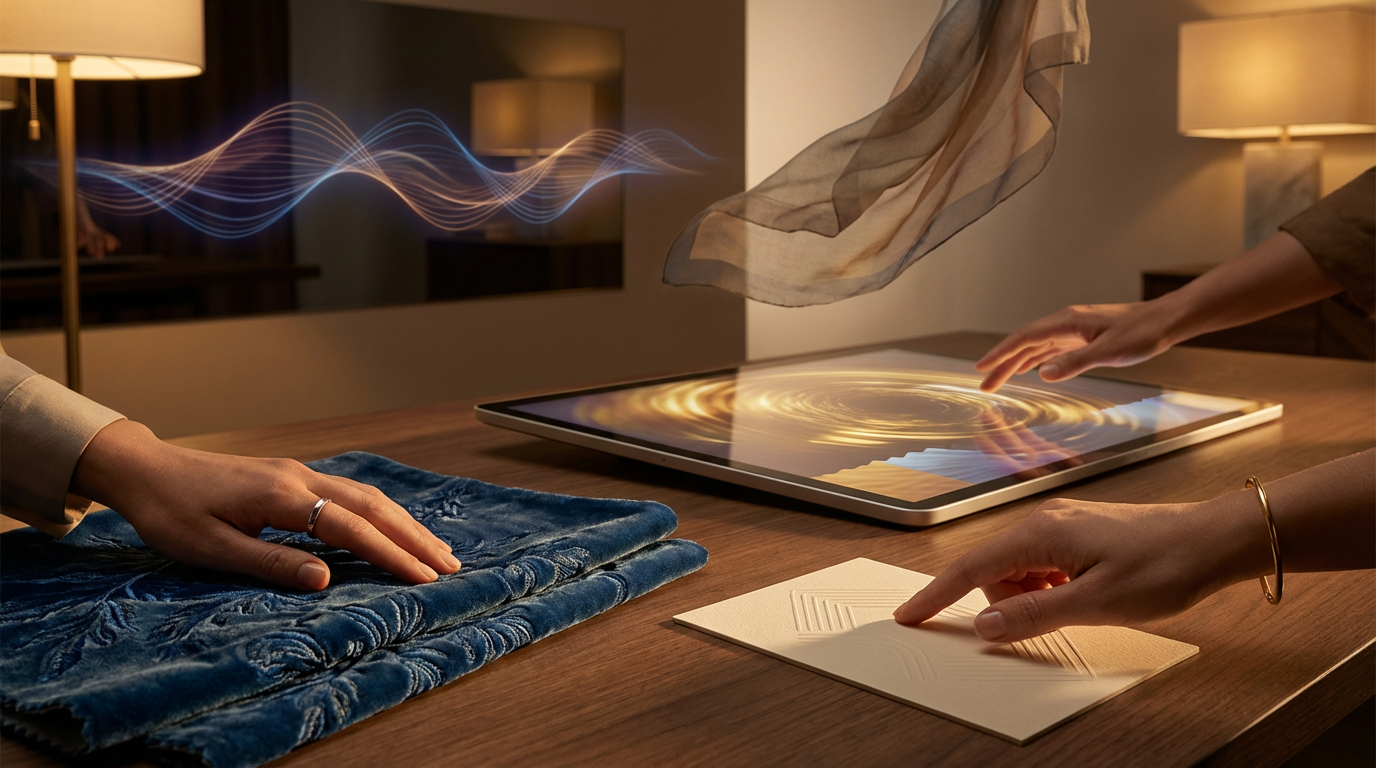
In branding and visual identity, logos and identity systems are designed to adapt and feel alive rather than rigid. Flexible color palettes replace fixed schemes, allowing brands to define an overall mood and feeling. Sensory and tactile graphic design — motion, sound, interaction — takes more space. Brands want to be felt, not just seen. The Branding Journal
In typography, designers are mixing letter styles instead of following fixed systems. Expressive, playful and even intentionally hard-to-read fonts communicate personality over perfection. Handwritten scripts, loopy cursives and oversized letterforms give branding a voice that no AI generator chose by default.
In web design, custom illustrations, animated shapes and organic forms add depth and authenticity to landing pages and portfolios. Micro-animations, unexpected floating objects and interactive content turn scrolling into a memorable experience. UXpilot.ai
In photography and video, the tactile rebellion translates to 35mm aesthetics, analog grain, candid-style shots and documentary framing. OpenAI itself chose this path for a recent ChatGPT campaign, shooting on 35mm film to capture raw human truths — a deliberate signal that even AI companies are betting on imperfection to build trust.
In illustration, layered compositions with stacked shapes, hand-drawn details and mixed textures are becoming the default for brands that want their packaging and content to tell a story at a glance rather than just look clean.
Why This Matters Strategically for Brands and Agencies
When everything can be generated, what makes your brand feel like it was made on purpose? The brands that win in 2026 are those that feel the most human inside a very digital world — intentional, steady and built to last. KOTA
For agencies like Besual, this trend is not just an aesthetic shift — it is a strategic opportunity. Clients who have relied on generic AI-generated templates are now looking for design partners who can bring genuine craft, intentional imperfection and emotional texture to their identities. That is work that requires creative judgment, cultural sensitivity and human authorship — skills that no automated tool can replace.
Across all ten trends identified by Canva for 2026, one theme stood out: creators are embracing AI to express themselves visually, while craving the human imperfections that make design raw, honest and unique. They are letting go of the pressure to polish every single detail and returning to something far more powerful: imagination. Canva
How to Apply Imperfect by Design in Your Projects
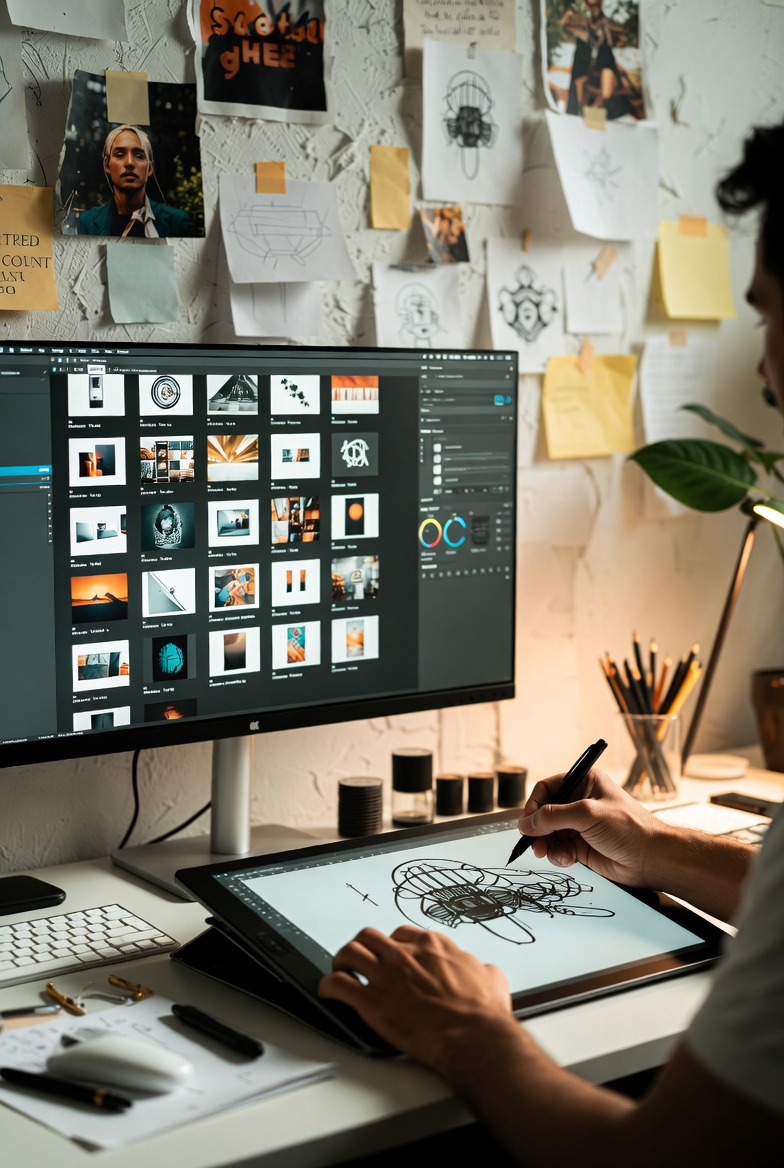
Start by auditing your current visual assets and asking honestly: does this look like it could have been generated by anyone? If the answer is yes, it probably lacks the specificity and texture that builds brand recognition. Introduce hand-rendered elements — even small ones — into logos, social content and web UI. Use typography that has personality, not just legibility. Choose photography that shows real context, real light and real people over stock-perfect imagery.
In UX and web design, allow for layouts that breathe with asymmetry and controlled unpredictability. In motion design, embrace subtle imperfections in animation timing that make interactions feel handcrafted rather than mechanical. In branding systems, build flexibility into color and form rules so the identity can adapt and feel alive across contexts.
The goal is not chaos. The goal is specificity — design that could only have come from you.
Conclusion
Imperfect by Design is not a passing aesthetic. It is a cultural correction that reflects a deeper truth: in a world where AI can generate infinite perfection in seconds, human originality is the rarest and most valuable creative currency. The cracks, the fingerprints, the wobbly lines — that is where trust lives. That is where the brand becomes real.
In 2026, the most memorable creative work will not be the smoothest. It will be the most honest.
Tags: Imperfect by Design, Graphic Design Trends 2026, Tactile Design, Human-Centered Branding, Expressive Typography, Analog Aesthetics, Visual Identity 2026, Creative Rebellion, Authentic Design, Mixed Media
Hashtags: #ImperfectByDesign #DesignTrends2026 #TactileDesign #HumanBranding #ExpressiveTypography #AnalogAesthetics #VisualIdentity2026 #CreativeRebellion #AuthenticDesign #MixedMedia
Imperfect by Design: Why Flaws Are the New Creative Standard in 2026